Guide
Australia tours at a gentler pace: planning for seniors and slower travellers
How to plan a comfortable tour of Australia if you prefer a gentler pace: choosing tour styles, pacing long distances, accessible regions and experiences, health and medication planning, insurance, heat and sun, and the questions to ask operators about mobility and comfort.
Published
Australia is a rewarding destination at any age, but its scale can surprise visitors. Long flights, long distances between regions and strong sun can make a fast-paced tour exhausting. The good news is that it is easy to plan a trip that feels relaxed, with comfortable accommodation, shorter travel days and experiences chosen for interest rather than endurance.
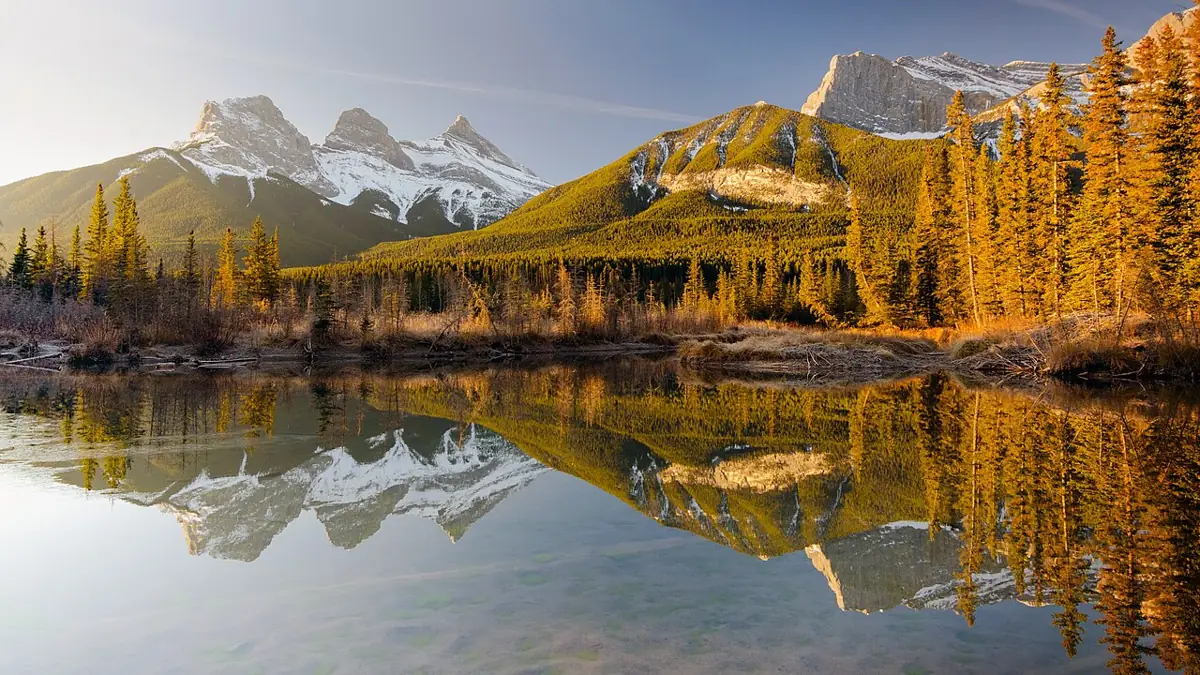
Photo: Three Sisters from Police Creek.jpg by Jakub Fryš, CC BY-SA 4.0, via Wikimedia Commons.

This guide is general planning information, not medical advice. If you have a health condition, talk to your doctor before booking. We do not sell tours or quote prices.
Choose a comfortable tour style
Some styles of tour suit a gentler pace better than others.
- Escorted coach tours include hotels, many meals and luggage handling. Coaches are spacious and the itinerary is fully arranged.
- Lodge-based small-group tours stay several nights in each place, so you unpack once and take day excursions.
- Rail journeys, such as the long-distance trains across the continent, combine sightseeing with comfortable cabins and dining.
- Private guides and drivers let you set the pace entirely, which is ideal if you need frequent rests.
- Cruises around parts of the coast or the Kimberley take care of transport and accommodation in one.
Our luxury touring page covers higher-comfort options, and tour styles compares the main categories.
Pace the distances
The single most important decision is how many places you try to see.
- Limit hotel changes. Aim for at least two or three nights in each base.
- Fly between regions. A short domestic flight is usually less tiring than a full day in a vehicle.
- Schedule rest days. Plan a lighter day after a long flight or an early start.
- Allow for jet lag. Overseas visitors may find the first two days are best spent quietly in their arrival city.
Our itineraries can be stretched: a two-week plan often works beautifully over three weeks.
Regions and experiences at a gentler pace
| Region | Comfortable ways to experience it |
|---|---|
| Sydney | Harbour ferries, the Opera House, Royal Botanic Garden paths |
| Blue Mountains | Echo Point lookout, Scenic World rides, village cafes |
| Great Barrier Reef | Pontoon trips with underwater observatories, glass-bottom boats, semi-submersibles, scenic flights |
| Uluru | Sealed viewing areas for sunrise and sunset, the Cultural Centre, sections of the base walk |
| Great Ocean Road | Lookouts at the Twelve Apostles close to car parks, overnight stays to break the drive |
| Tasmania | Hobart's waterfront, Port Arthur, short walks at Freycinet and Cradle Mountain |
Many lookouts and visitor centres have sealed paths and accessible facilities. Accessibility varies, so check details for each site with the operator or park agency.
Getting around comfortably
Domestic flights connect every major city and many regional gateways, including Cairns, Yulara (Ayers Rock), Alice Springs, Hobart and Launceston. Airlines can arrange wheelchair assistance and priority boarding if you request it when booking; ask early, because space for assistance is limited on smaller aircraft.
In cities, public transport is a practical alternative to tours. Sydney's harbour ferries are one of the most relaxing ways to see the city, and Melbourne's free tram zone covers much of the central business district. Taxis and rideshare services are widely available in cities but scarce in remote areas, so pre-book transfers if you are staying outside town.
Long-distance trains, such as the services between Sydney, Melbourne, Brisbane and Adelaide, and the famous cross-country journeys, are an option for travellers who enjoy slow travel. Cabins, dining cars and off-train excursions vary by service, so check what is included and how accessible carriages and excursions are before booking.
If you hire a car, remember that Australians drive on the left, distances between towns can be long, and wildlife is most active around dawn and dusk. Plan shorter driving days than you would at home and avoid driving at night in rural areas.
Health and medication
- See your doctor before you go, especially before remote or physically demanding tours.
- Carry medicines in original packaging with a prescription or doctor's letter. Check the Australian Border Force and Therapeutic Goods Administration rules on bringing medicines into Australia.
- Bring enough for the whole trip plus a few days' spare, because remote areas have limited pharmacies.
- Know where care is. Cities and large towns have hospitals; remote regions may rely on clinics and the Royal Flying Doctor Service.
Tell your tour operator in advance about any condition that might affect you on the trip, so the guide can plan accordingly.
Heat, sun and hydration
Australia's sun is strong, and heat can be a serious risk, particularly for older travellers. Healthdirect advises drinking water regularly, avoiding strenuous activity in the hottest part of the day, and seeking shade. Wear a broad-brimmed hat, sunglasses and sunscreen even on cloudy days. In the Red Centre and the tropical north, choose cooler months and walks scheduled in the early morning.
Travel insurance
Smartraveller recommends travel insurance for all overseas travel. Older travellers should:
- declare pre-existing conditions honestly
- check age limits and any extra premium
- confirm cover for cancellation, medical treatment and emergency evacuation from remote areas
- check what activities are covered, such as snorkelling or scenic flights
Questions to ask an operator
- How many hours of travel are there each day?
- Are activities optional, and is there an alternative if I skip a walk?
- How many steps or stairs are there to reach the main sights?
- Are there rooms with walk-in showers or ground-floor access?
- Can you cater for dietary needs and medication storage?
- What is the age profile of a typical group?
- Is luggage handling included?
Travelling with a companion or alone
Solo travellers can find single supplements on many tours. Some operators offer room-share matching or departures without supplements. Travelling with a companion also makes it easier to manage luggage, medication and rest days.
A sample gentle two-week shape
- Days 1 to 4: Sydney, with a harbour cruise and a Blue Mountains day.
- Days 5 to 8: fly to Cairns or Port Douglas for the Reef by pontoon and the Kuranda Scenic Railway.
- Days 9 to 11: fly to Yulara for Uluru, with sunrise and sunset viewing areas and the Cultural Centre.
- Days 12 to 14: Melbourne, with a day trip or overnight to the Great Ocean Road.
This plan uses flights instead of long drives and keeps three or four nights in most places. Compare tours with our operator checklist, and see the Australia tours hub for more planning advice.
Frequently asked questions
What are the best Australia tours for seniors?
Tours with fewer hotel changes, shorter driving days, comfortable accommodation and optional rather than compulsory activities usually suit older travellers best. Escorted coach tours, small-group lodge-based tours and rail journeys are common choices.
Is Australia a good destination for older travellers?
Yes. Cities have good health care and transport, many attractions have accessible paths and lookouts, and tours are available at every pace. The main challenges are long distances and heat in some regions.
Can I see Uluru if I have limited mobility?
Many people do. There are sealed paths and viewing areas at Uluru and Kata Tjuta, and sunrise and sunset viewing areas are reached by vehicle. Check current accessibility details with Parks Australia and your operator.
Do I need travel insurance for an Australia tour?
Smartraveller strongly recommends it. Declare pre-existing medical conditions honestly, and check that the policy covers your age, cancellation and medical evacuation from remote areas.
How should I bring medication into Australia?
Carry medicines in their original packaging with a prescription or doctor's letter, and check the Australian Border Force and Therapeutic Goods Administration rules for personal importation before you travel.