Questions
Australia tours questions, answered first
Seasons, booking windows, flights versus drives, and what to cut when the calendar is short. Direct sentences, then the nuance.
- Tassie vs Top End
- Opposite
- Book first
- Scarce days
- Short trips
- One climate
- Drive regions
- Fly hubs
Best season for Tasmania versus the Top End? They peak in opposite halves of the year — Tassie walks around December–April, Top End dry around May–October. Book scarce days (reef boats, Uluru sunrises, Spirit vehicle berths, small-group outback) earlier around school holidays; verify with the operator. First-timers on a short trip should skip a third climate. Fly between hubs; drive inside regions.
Definition
Direct answer. The first sentence of each FAQ is written to be quotable by search and answer engines — then the caveats follow.
These answers are editorial, not operator quotes. Parks close. Ferries change. Marine stinger risk is seasonal and local. Follow official sources the week you travel: Parks Australia, state parks, and the ferry or airline you actually booked.
This page is the citability layer — short answers you can quote — not the whole guide. The long versions live on the destination and itinerary pages. Read those when a one-sentence answer is not enough to book a flight.
How to use this FAQ
Start with the question you actually have. If you are still at a blank calendar, the useful first questions are how many days, which climate, and which airport. Style questions — self-drive versus guided, day tour versus overnight — come after the region is named.
If two answers collide, the calendar wins. A July fortnight can hold a Red Centre block and a far-north reef day. The same fortnight in January is a different product, even if the map looks identical. A December walking week in Tasmania is a poor week to also chase Kakadu’s dry-season road list.
We do not sell seats. We do not publish live prices. We do not rank operators. When an answer says “ask the operator”, that is the whole instruction, not a tease.
Seasons, not slogans
Australia is not one touring season. It is a set of climates that peak in different months.
Tasmania rewards long daylight and open highland tracks. The walking window that first-timers usually want is roughly December to April. Winter is quieter and operationally harder: short days, cold nights, and roads that can close after snow or ice. A winter Tassie trip can still be a food-and-city week. It is not the same trip as Wineglass Bay plus Cradle in late light.
The Top End — Darwin, Kakadu, Litchfield — is a monsoon climate. The classic first visit sits in the dry, about May to October, when more roads and rock-art sites are open. The wet season is not a rumour. Flooded crossings rewrite the map. Pairing a Tassie alpine walk with a Kakadu circuit in the same week is how people write angry trip reports.
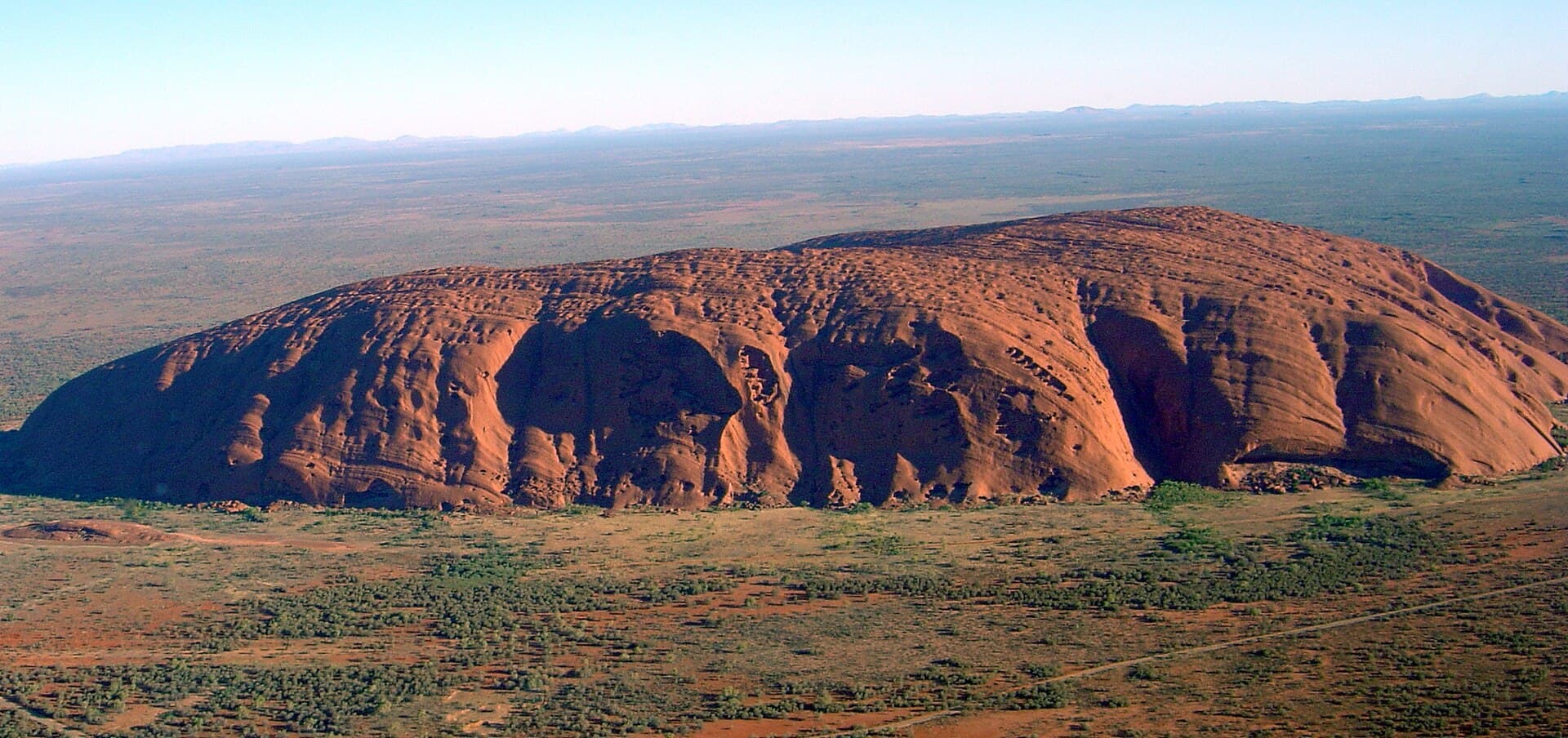
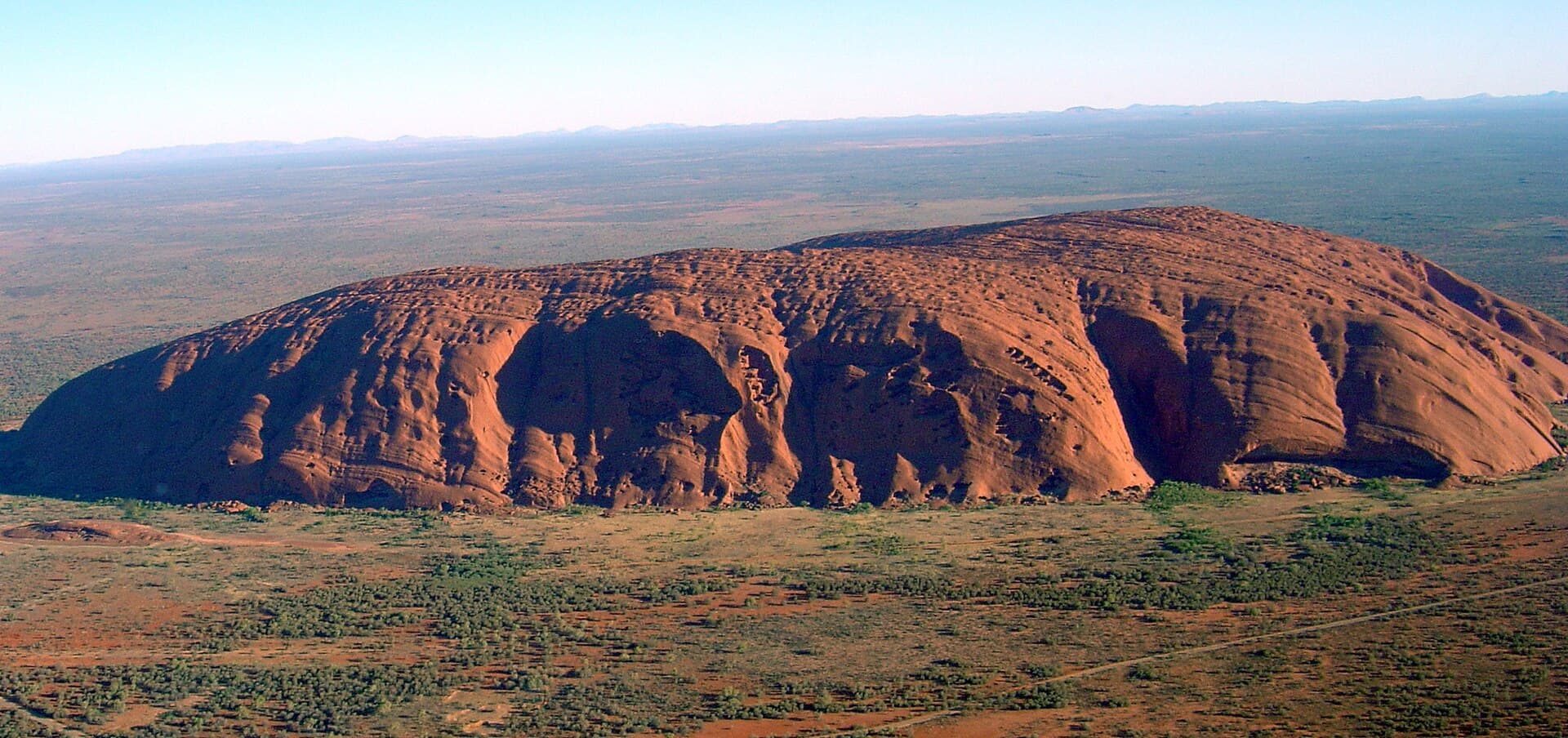
The Red Centre is kinder in the cooler months, about April to September. Nights are cold. Midsummer heat can close walks and turn a base circuit into an endurance event. The climb has been closed since October 2019. That is not a seasonal tip; it is a permanent rule.
The far-north Reef often treats June to October as the more stable boat window. November to May is the typical stinger period along much of that coast — operators issue suits; wear them. The wet season cancels boats. Coral bleaching has occurred in recent years. Ask the boat which sites they are using this week, not which slogan they printed last year.
Verify the week you travel. This matrix is climate literacy, not a warranty. Official park pages and the Bureau of Meteorology beat a blog from 2019.
What to book first
Book the scarce day, then build the rest of the week around it.
Scarce usually means: a licensed reef departure in school holidays, an Uluru sunrise product in the cooler months, a Spirit of Tasmania vehicle berth, and a small-group outback departure in the mid-year dry. Lead times move. We will not invent a number of weeks that survives contact with a real reservations desk.
If you are self-driving, the scarce day may be a ferry, a parks-pass window, or a stay in a town with twelve rooms. If you are joining a guide, the scarce day is the departure that actually includes the walk you came for — not a lookout after the light.
Everything else — harbour walks, a second museum, a flexible coastal night — can wait until the scarce day is held.
What first-timers should skip
Skip a third climate on a short ticket. Ten days is not Uluru plus the Reef plus Tasmania. Fourteen days is an east-coast sampler or a Tassie loop plus a city, not a national grand tour.
Skip stacking the Hunter Valley on the same day as the Blue Mountains. Both are real days. Neither is a toilet break on the way to the other.
Skip a 4WD fantasy if you have never left the bitumen. The sealed Uluru–Kings Canyon circuit does not require one. Many Kakadu side roads, Cape tracks, and remote Western Australian routes do. Hire contracts void more holidays than “I drive well at home”.
Skip driving Sydney to Cairns “because the coast is pretty” in the fortnight you meant for a reef day. Fly the boring kilometres. Drive inside a region.
Skip adding Perth or Darwin because a map of Australia has empty space on the left. Those are trips. They want their own season and their own airport.
Flights versus drives
Fly between Sydney, Melbourne, Cairns, Alice Springs or Yulara, Darwin, Perth, and Hobart unless the drive is the holiday. The Nullarbor is not a first-timer connector between an east-coast fortnight and a west- coast week. It is a crossing with its own water, fatigue, and daylight rules.
Self-drive belongs inside a region: the Great Ocean Road, a Tassie triangle, east-coast hops you chose on purpose, the Coral Coast if you accepted the distances. Guided trips buy a second adult who has made the radio call before — useful on Anangu country, in Kakadu, and anywhere the road report is part of the itinerary.
International licences, left-side driving, and dusk wildlife are planning facts. Night driving in the bush is how roadkill happens.
How many days, in one place
Uluru and the Red Centre: three days is the minimum that feels like a visit; four if Kings Canyon is on the list; two is a photograph.
Tasmania: seven days is tight; ten is the comfortable first loop; a long weekend is Hobart and one day trip.
East coast: fourteen days can hold Sydney, a hop, and a reef launchpad if you fly the long gaps.
Two climates: twenty-one days is the honest first combined trip — east-coast spine plus a Red Centre block, or Reef plus Centre — with a domestic flight in between.
Read the sample loops on itineraries after the climate is chosen. Read destinations if you are still naming the park. Read self-drive vs guided when the road type is the remaining question.
Official sources sit in the footer
Parks Australia, Tourism Australia, and Smartraveller are linked on every page for a reason. Park passes, marine-park levies, biosecurity, and visa rules are not things an editorial site should invent. If this FAQ and an official page disagree the week you travel, the official page wins.
For corrections to these pages, use contact. That inbox is not a booking desk.
Season snapshot (verify the week you travel)
| Compare | Kinder classic window | Treat as advanced |
|---|---|---|
| Red Centre | About April–September | High summer heat |
| Far-north Reef | Often June–October | Wet / peak stinger months |
| Tasmania | December–April walks | Highland winter roads |
| Top End | May–October dry | Wet-season closures |
Questions
What travellers always ask
Opposite halves of the year for the classic trips. Tasmania’s walking and long-daylight months are roughly December to April. The Top End dry season is roughly May to October. Do not pair them in the same week and expect both to perform.
Read the long versions
Destination hubs behind the short answers
Outback
Uluru & the Red Centre
Three to four days around Uluru, Kata Tjuta and Kings Canyon — cooler months, closed climb, and why Alice and Yulara are different bases.
Learn more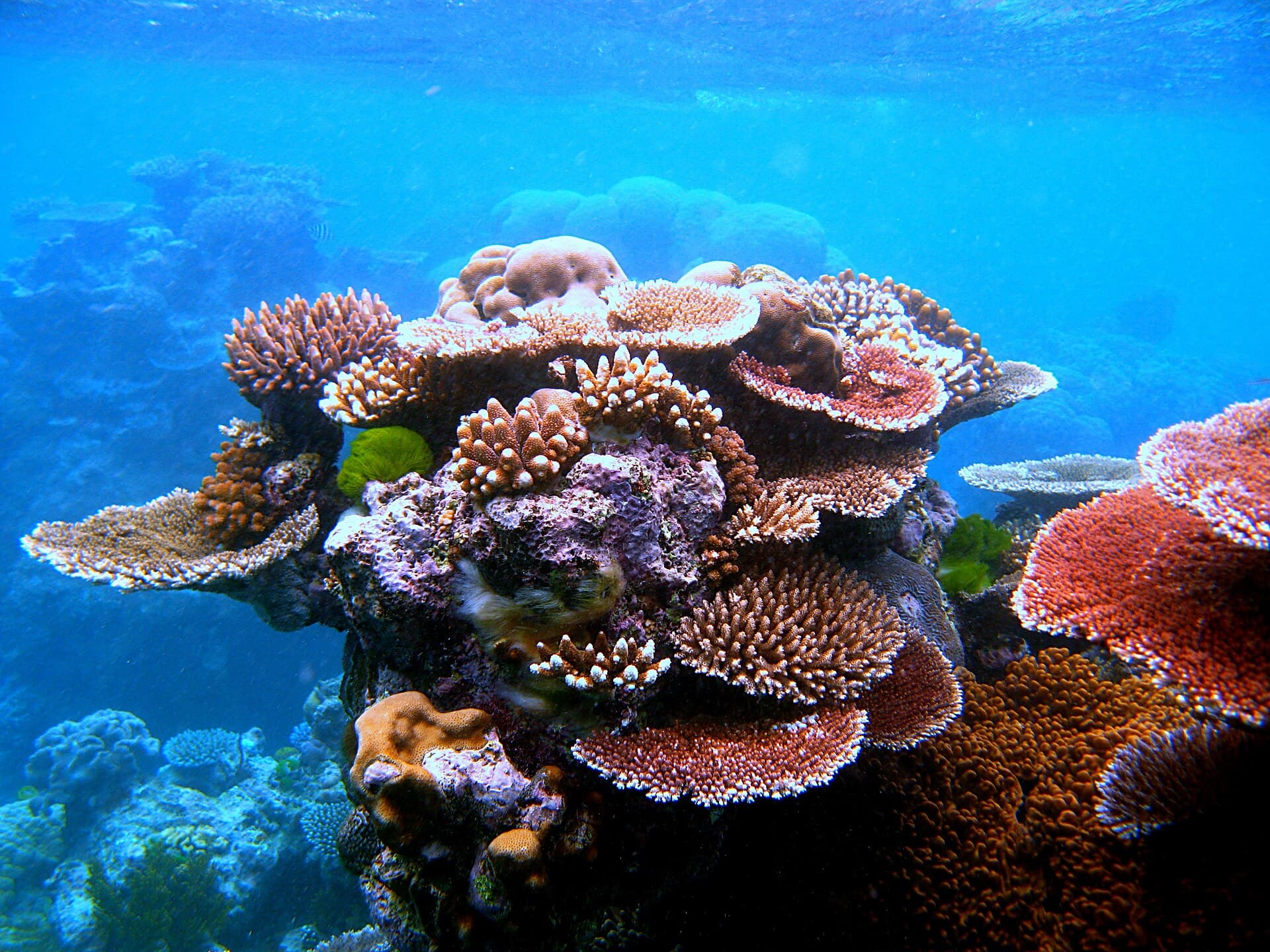
Tropical north
Great Barrier Reef
Cairns, Port Douglas and the Whitsundays as launchpads — stinger season, inner vs outer reef, and pairing the Daintree.
Learn more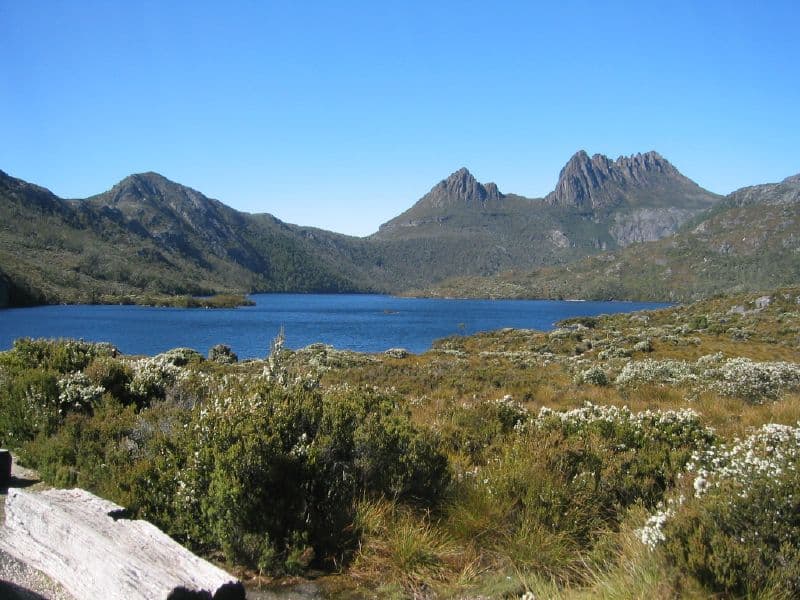
The island
Tasmania
Seven to ten days is the honest first loop: Hobart, Freycinet, Cradle Mountain, and a ferry or a flight from the mainland.
Learn more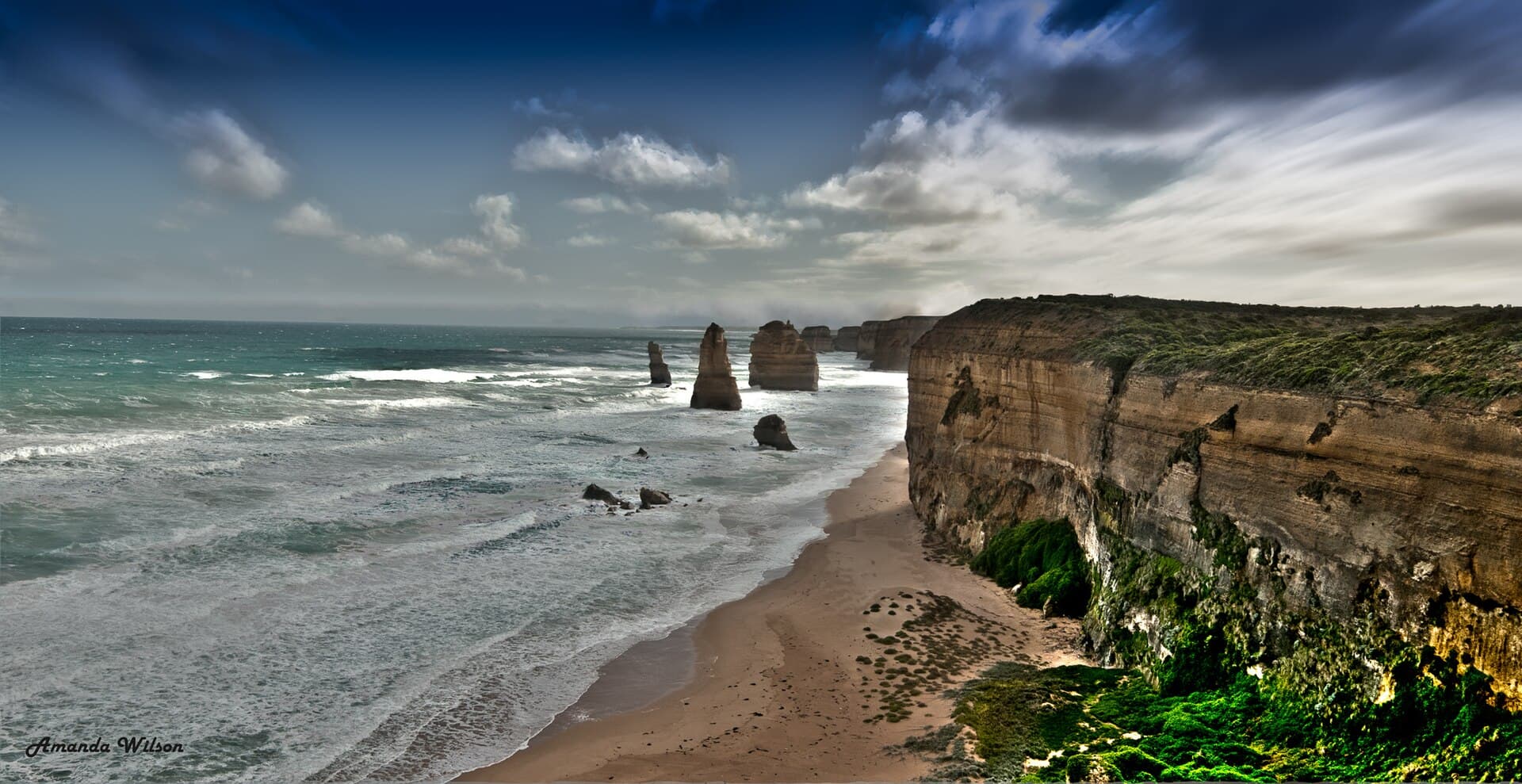
Victoria
Great Ocean Road
A long Melbourne day trip can reach the Twelve Apostles. An overnight in Apollo Bay or Port Campbell is the trip people mean.
Learn more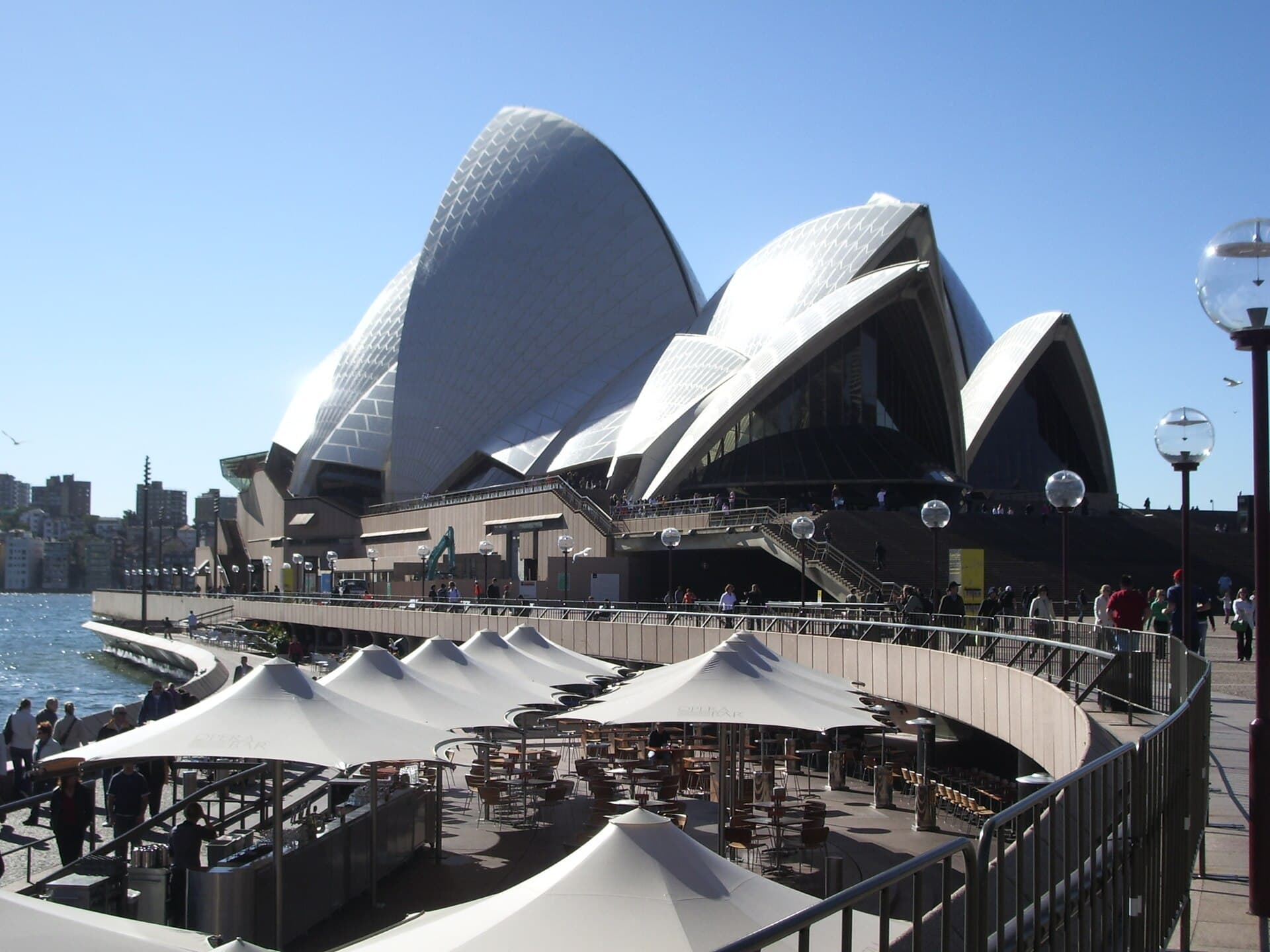
New South Wales
Sydney & Blue Mountains
Harbour icons plus a highland day: Three Sisters, Jamison Valley, and why you leave before the commuter peak.
Learn more
Western Australia
Perth & Coral Coast
Ningaloo, Shark Bay and a long west-coast drive — self-drive is common; tours fill the gaps between fuel and tides.
Learn moreIf your question is “can I do it all?”
The answer is almost always “not in this many days”. Open a destination hub and cut until the weather matches.