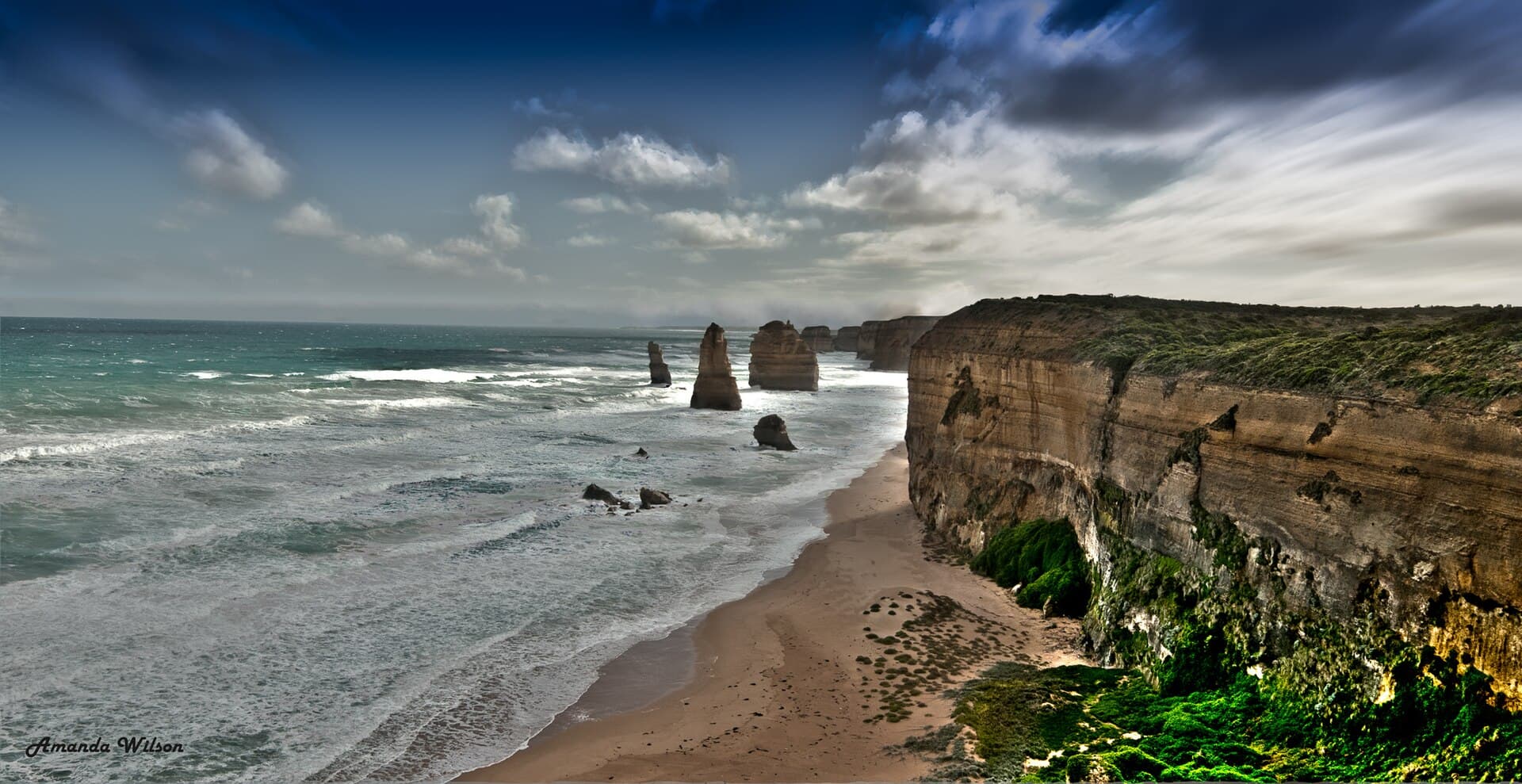
Victoria
The Great Ocean Road is a long day or a short tour
Day coaches reach the Twelve Apostles. Overnight is when the rainforest and the cliffs stop sharing one toilet break.
- Signed road length
- ~243 km
- Typical day-tour clock
- ~12 hr
- Honest self-drive
- 1–2 nights
- Usual start
- Torquay
A Great Ocean Road day trip from Melbourne can reach the Twelve Apostles and return the same night — it is a long day, often 12 hours door to door. Overnight in Apollo Bay, Lavers Hill, or Port Campbell is the better version if you want the Otways rainforest and more than a twenty-minute stop at the lookout. The signed Great Ocean Road runs about 243 kilometres from Torquay toward Allansford.
Definition
Great Ocean Road. A coastal highway in south-west Victoria, built as a memorial after the First World War, linking surf towns to the shipwreck coast and the Twelve Apostles sea stacks.
The Twelve Apostles are limestone stacks off the Shipwreck Coast. They are not twelve in the way the name promises, and they are not a five-minute detour from the Melbourne CBD. The signed Great Ocean Road runs about 243 kilometres from Torquay toward Allansford. Melbourne to the main Apostles lookout is a few hours each way depending on stops and traffic. That arithmetic is why a day coach is often a twelve-hour door-to-door, and why an overnight in Apollo Bay or Port Campbell is the trip people mean when they say they “did the Ocean Road”.
This page sits under the destinations hub and beside Melbourne. It is a Victorian coastal drive, built as a memorial after the First World War, not a substitute for Tasmania and not a west-coast Ningaloo analogue. Official road status sits with VicRoads. Many lookouts sit with Parks Victoria.
How many days
One long day from Melbourne is a valid product. Licensed coaches leave early and return late. You will see the Apostles, often Loch Ard Gorge, and a lunch stop. You will not linger in the Otways. For visitors with one spare city day, that trade is acceptable. Motion sickness and a tight international connection the next morning are the usual regrets.
Self-driving the same loop in one day is possible and more tiring than it looks on a map. Start at dawn. Do not add the Mornington Peninsula, a Yarra winery crawl, or Phillip Island to the same daylight.
One night in Apollo Bay or Port Campbell is the first version that separates rainforest from cliffs. You can walk a short section of trail, see a second lookout, and stop treating every car park as a race.
Two nights is the comfortable self-drive: surf towns on the way west, Otways time that is not a blur, Apostles light that is not only the coach slot, and a return to Melbourne that is not a midnight apology.
This is still a short tour in Australian terms. It is not a week. If you have a week in Victoria, you can deepen the coast — or you can give Tasmania its own seven to ten days. You should not do both as “side quests” from the same laneway hotel.
| Shape | Clock | What you actually get |
|---|---|---|
| Melbourne day coach | Often ~12 hours | Apostles + timed stops; Otways brief or skipped |
| One-day self-drive | Dawn to dark | Same coast, more fatigue, your own playlist |
| 1 night Apollo Bay or Port Campbell | 2 travel days | Rainforest or unhurried stacks, not only a toilet break |
| 2 nights | A short tour | Both landscapes, second lookout, less herding |
Season
The Ocean Road is a year-round drive with seasonal costs, not a closed winter park like some Kakadu tracks.
Summer brings cars, school-holiday queues, and heat in the car parks. Bushfire season can close forests and, in bad years, the road. Check VicRoads and Parks Victoria; do not rely on last year’s blog.
Winter brings dramatic seas, short afternoons, and weather that makes cliff platforms feel serious — because they are. Swell photography is not a reason to step past a fence.
Shoulder months are when many self-drivers prefer the light. That preference is not a warranty of empty lookouts.
Unlike Uluru (kinder about April–September) or the far-north Reef (common dry window June– October; typical stinger season November–May), you do not need a narrow climate visa to visit Victoria’s coast. You do need to respect fire, flood, rockfall, and the fact that limestone edges fail.
If your Australian winter is a Kakadu dry-season plan, this road can still be a Melbourne add-on on the way through. If your Australian summer is a Tasmania walking plan (December–April), do not steal the island’s days to “quickly see the Apostles” unless Melbourne already has its own nights.
Getting there
Melbourne is the launchpad. Read from Melbourne for how this day sits beside peninsula, Yarra, and Phillip Island products — one per day.
The road begins in the surf towns: Torquay, Anglesea, Lorne. They are their own weekend economy. They are not a substitute for the western stacks, and the stacks are not a substitute for a surf town if what you wanted was a beach holiday.
Coaches solve left-side driving and lookout parking for short-stay visitors. They compress the Otways. That is the deal.
Self-drive is sealed-road touring, not a 4WD exam. Distances, tourist traffic, motorcycles, and people walking into the lane at lookouts are the issues. Drive on the left. Do not treat sunset at the Apostles as a casual add-on after a late CBD brunch.
Return routes sometimes use inland roads to avoid retracing the entire coast. That can be efficient and can still be a long day. Fuel and daylight matter more than a clever line on a map.
From Sydney this is a flight to Melbourne plus the coast day, not a Sunday drive. From Adelaide, the Shipwreck Coast is still a Victorian itinerary; do not confuse it with Kangaroo Island, which is a ferry from Cape Jervis and a different parks agency.
Spirit of Tasmania sails from Geelong — useful if the next chapter is the island, useless if you thought the ferry was a Great Ocean Road lookout.
What a first visit looks like
A first visit is either a long city day or a short coastal tour.
On a day tour you will be in a vehicle before the laneways are awake. You will stop where the itinerary stops. You will see the Apostles in a cluster of other people seeing the Apostles. You will be back in Melbourne late. If that is the only day you have, take it — and do not book a dawn Blue Mountains flight the next morning as if Victoria and New South Wales shared a suburb.
On an overnight, you drive the surf coast without treating Lorne as a problem, you give the Otways a walk or a canopy lookout that is not a blur, and you arrive at the Shipwreck Coast with enough light to stand on a platform and leave. Apollo Bay is the mid-coast food-and-forest base. Port Campbell is closer to the stacks and to Loch Ard Gorge. Lavers Hill is a ridge-line pause some self-drivers use. We do not rank the pillows.
A first visit that works stays on platforms, does not invent a cliff path, and does not add the peninsula “because we are already in the car”. The Melbourne page exists to keep city, peninsula, and this road as three products.
What it does not look like: a ranking of which stack is left, a guarantee of koalas in every roadhouse eucalypt, or a same-weekend Cradle Mountain add-on.
Practical park notes
Parks Victoria manages many lookouts and reserves along this coast. Stay on platforms. Cliff edges fail. That is geology, not a mood.
VicRoads holds road closures after fire, flood, or rockfall. Check before you lock a non-refundable sequence. This site does not publish live status.
Bushfire season is a planning fact in south-east Australia. Forest drives in the Otways can close when the rest of your city day looks fine. Have a plan B that is not “walk closer to the edge for a better angle”.
Winter spray and wind make platforms serious. Hold children. Do not step past fences for a photograph that a thousand people already took from the legal side.
The road is a memorial as well as a touring route. Treat towns as towns, not as toilets between stacks.
We do not publish coach fares, parking fees, or attraction hours. Verify with the operator and with Parks Victoria.
If you combine this drive with a hire car from the CBD, read self-drive for the general sealed-road versus guided decision. The Ocean Road is the example many first-timers use when they decide they would rather not drive home in the dark.
What to skip
Skip stacking the peninsula, the Yarra, and this road in one daylight. Skip a late start and a sunset-at-the-Apostles fantasy on a Friday in January. Skip climbing on limestone. Skip drones where signs forbid them.
Skip treating this page as a Tasmania substitute. Wineglass Bay and Dove Lake are not waiting at Port Campbell. If the island is the reason you came, give it seven to ten days and use Melbourne as a hinge, not as a thief of island time.
Skip adding Uluru or the Reef to the same long weekend. Those are flights and climates. The destinations hub is the matrix that stops that idea.
Skip assuming the name guarantees twelve stacks. Count what you can see from the platform and move on.
Skip a return-to-Melbourne midnight if you have a Spirit of Tasmania sailing or an early flight the next day. The road will still be there; your ferry berth will not wait.
Related regions and itineraries
Parent index: destinations.
City and state context: Melbourne and Victoria — two to four days in the city, a peninsula or Yarra day, and this road as the long coast.
Sibling island that people wrongly shrink into a Melbourne weekend: Tasmania — Hobart, Freycinet, Cradle, Spirit from Geelong, walking season December–April.
Launchpad shortlist for other Victorian day products: from Melbourne.
If you are still assembling a first-timer set rather than a Victorian coast day, the usual companions on the hub are Sydney and the Blue Mountains and the Great Barrier Reef — different states, different clocks. There is no sample itinerary on this site that is only the Ocean Road; it attaches to Melbourne time, or it steals it.
Day trip or overnight?
| Compare | Melbourne day tour | Overnight self-drive or small group |
|---|---|---|
| Twelve Apostles | Yes, often late afternoon, timed | Sunrise or unhurried late light |
| Otways / rainforest | Brief or skipped | Time for a walk or lookout |
| Driving | Someone else drives; long coach day | You drive; stay coastal |
| Fitness / comfort | Suits limited time in the city | Suits anyone who dislikes being herded |
Questions
What travellers always ask
Day trip if you have one free day in Melbourne and will accept a long coach or car day. Overnight if you want the Otways and the Apostles without watching the driver’s clock.
Sibling regions
Other hubs that share a first-timer shortlist
Every destination child links up to the hub and across to nearby climates. Do not add all three this fortnight.
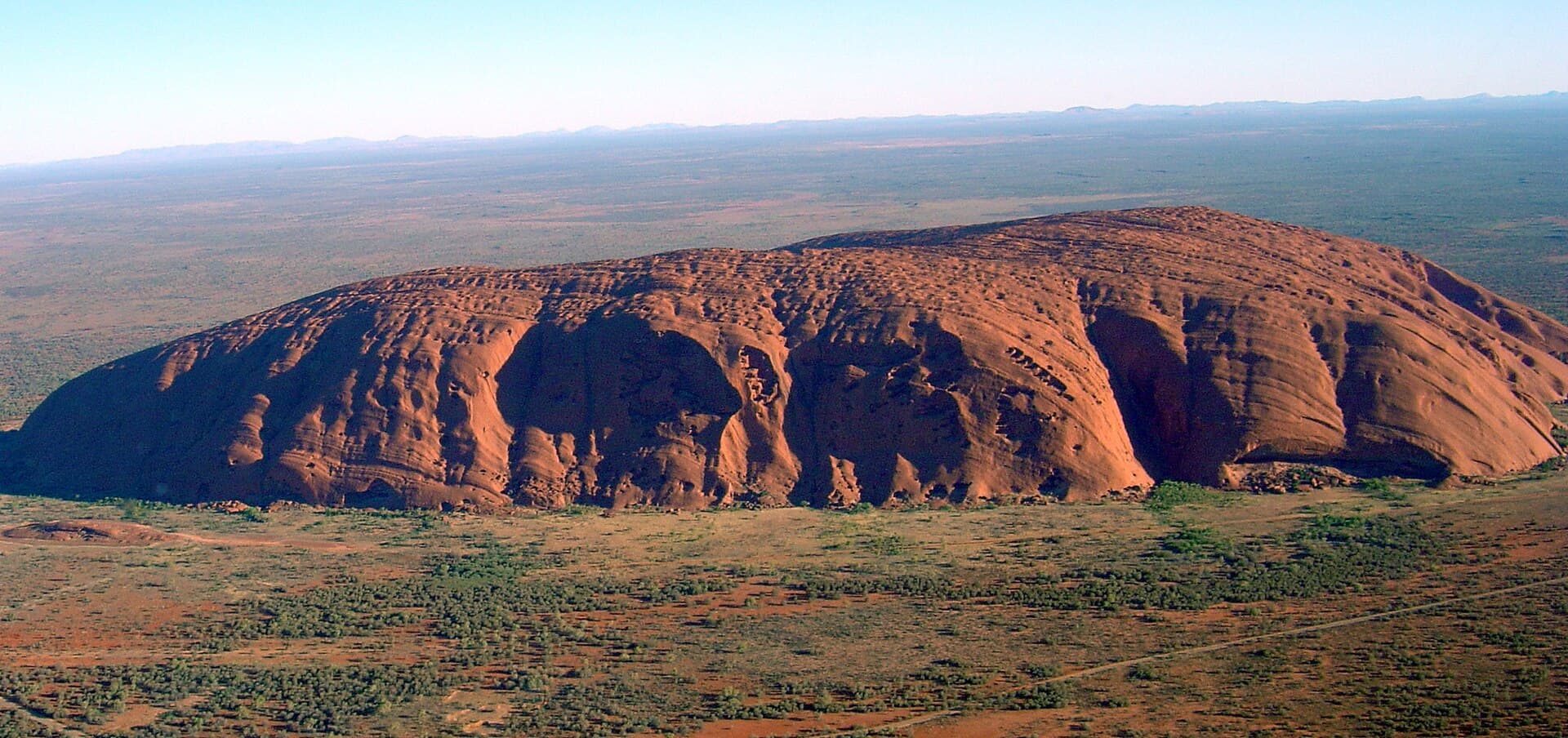
Outback
Uluru & the Red Centre
Three to four days around Uluru, Kata Tjuta and Kings Canyon — cooler months, closed climb, and why Alice and Yulara are different bases.
Learn more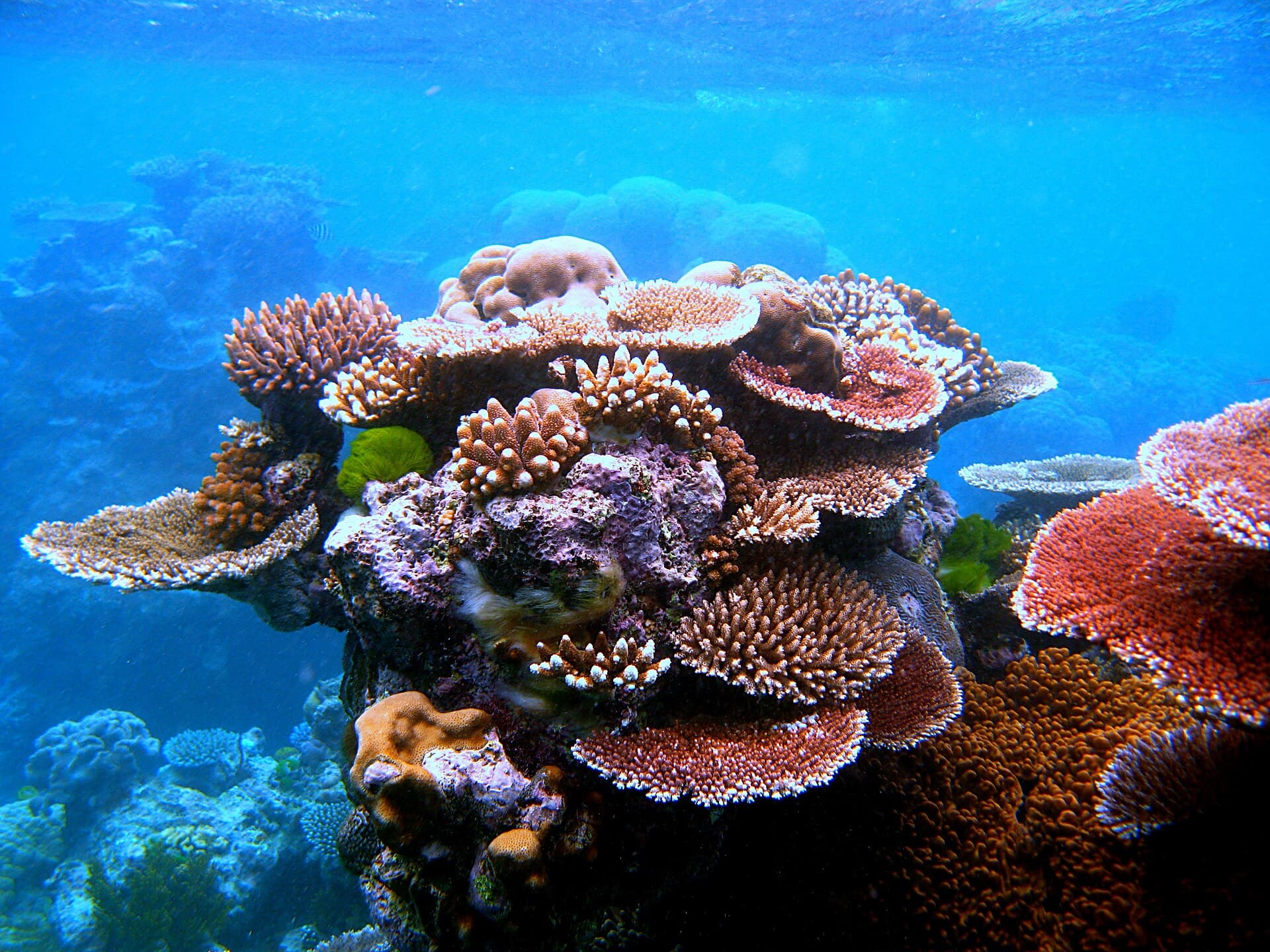
Tropical north
Great Barrier Reef
Cairns, Port Douglas and the Whitsundays as launchpads — stinger season, inner vs outer reef, and pairing the Daintree.
Learn more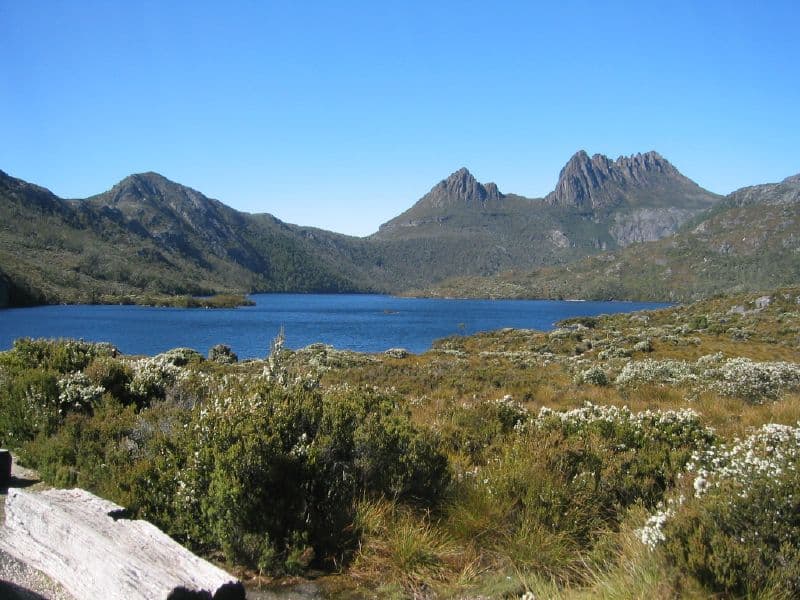
The island
Tasmania
Seven to ten days is the honest first loop: Hobart, Freycinet, Cradle Mountain, and a ferry or a flight from the mainland.
Learn moreGive the cliffs a night
If you are already in Melbourne, read the city launchpad. If you only have a day, a licensed day tour is still a valid, tiring way to see the stacks.