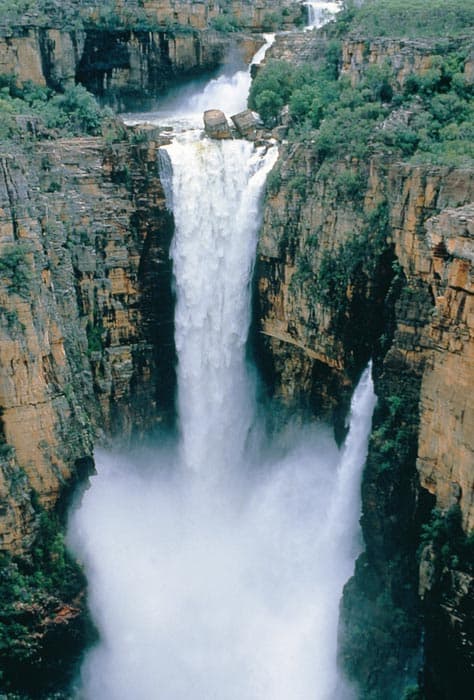
Northern Territory
Kakadu is a dry-season park with a Darwin doorway
Three to five days if roads are open. The wet season rewrites the map. This is Bininj/Mungguy country, and saltwater crocodiles are not a metaphor.
- First visit
- 3–5 days
- Typical dry
- May–Oct
- Many roads close
- Wet
- Stay out of the water
- Crocodiles
Kakadu and Darwin need about three to five days in the dry season — roughly May to October — for a first look at wetlands, escarpment, and rock-art sites that are open to visitors. The wet season closes many roads. You may want a 4WD or a guided vehicle depending on the month and the track. Always follow park and Traditional Owner rules.
Definition
Top End. The tropical north of the Northern Territory around Darwin, Kakadu, Litchfield, and Kakadu’s neighbouring parks — a monsoon climate, not a Red Centre desert.
Kakadu National Park is jointly managed with Bininj/Mungguy Traditional Owners. Some sites close for cultural reasons. That is the trip, not an inconvenience. Saltwater crocodiles are not a metaphor. Wet-season flooding is not a rumour. The classic first visit is a dry-season park stay of three to five days from Darwin — roughly May to October — for wetlands, escarpment, and rock-art sites that are open to visitors.
This page sits under the destinations hub. It is the Top End, not the Red Centre. Uluru is desert uplands about 450 kilometres from Alice Springs on sealed road, with a climb closed since 26 October 2019. You can fly between the two when you have the days and the right months. You cannot treat them as one “Northern Territory week” in January.
How many days
Two days from Darwin is often Litchfield (the waterfall day many people do when Kakadu is too far for the time they have) plus a city museum or harbour story. Valid. Not Kakadu.
Three days is a taste: Darwin as the door, one Kakadu highlight cluster, perhaps a wetland cruise in season, and a lot of driving relative to walking.
Five days is a first visit that can include more than one rock-art site when open — Ubirr and Nourlangie (Burrungkuy) are the names people already know — plus wetland time and enough slack to absorb a closure.
A week is how you add neighbouring parks or a slower cultural itinerary without treating every art site as a raid. It is still not a reason to add Yulara unless another flight appears.
Guided tours are a rational purchase in the wet, or for first-timers who do not want to read a road report as their holiday. Self-drive is ordinary in the dry on roads that are open — with the 4WD question answered by the track, not by the souvenir sticker.
| Days from Darwin | Honest first use | What you drop |
|---|---|---|
| 1–2 | Litchfield or a city-and-close-park day | Kakadu as a place you stayed |
| 3 | One Kakadu cluster + transfers | Two art sites + a cruise + a second park |
| 5 | Art, wetland in season, slack | Uluru on the same ticket |
| Wet season | Guided, or a rewritten map | A dry-season blog copied onto flooded roads |
If you are building a broader outback ticket, the seven-day Red Centre sketch is Uluru, Kata Tjuta, and Kings Canyon — sealed, heat-limited, not a Kakadu itinerary. Use it for the Centre. Use this page for the Top End.
Season
Dry season, roughly May to October, is when most first-timers should come. Many roads are open. Wetland cruises run in their usual pattern. Humidity is lower than the build-up. It is still the tropics. Carry water. Book beds in peak dry months.
The wet rewrites the map. Flooding closes roads. Some sites become inaccessible. Waterfalls may roar and the same road that was easy in July may be closed. This is a planning fact published by the park, not a vibe. Confirm with Parks Australia and the Kakadu visitor centres for the week you travel. We do not publish live closures.
The build-up before the rains is hot and humid. Some travellers like it. First-timers who copied a July itinerary onto November should reread the road report.
The seasonal contrast first-timers miss is Tasmania. Tassie walks favour December to April. The Top End dry is May to October. They peak in opposite halves of the year. Do not pair Hobart–Cradle and Kakadu in the same week.
A mid-year dry can sit near a far-north Reef window (often June–October in Tropical North Queensland). That does not make Cairns and Darwin the same harbour. It does make a three-week ticket with two tropical chapters more honest than a three-week ticket that also chases a Tassie alpine summer.
Uluru’s kinder months (about April–September) overlap part of the Top End dry. That overlap is how some travellers see both Territories in one longer trip — with a flight, not a fantasy drive, and with heat still the limiter at Yulara.
Getting there
Darwin is the airport and the doorway. It is a city with its own museum and harbour stories. It is not inside Kakadu. Transfers are measured in hours, not in inner-suburb tram stops.
Self-drive in the dry on open sealed roads is ordinary. Side roads are where the 4WD question becomes real. Confirm the report. A hire-car brochure is not a permit. Recovery, comms, and fuel are your problem if you leave the bitumen without a plan.
Guided vehicles sequence art-site hours, cruise bookings, and the roads that are actually open. They are still not risk-free in crocodile country. They are a rational purchase when the map is wet or when you do not want the first holiday hour to be a road-closure PDF.
Flights from the Red Centre are how you pair this page with Uluru. Flights from the east-coast cities are how first-timers arrive when the Top End is the trip. There is no Darwin chapter on the east-coast two-week skeleton — adding one means subtracting a coast.
Do not treat Kakadu as a day tour from Cairns or from Sydney. Different state, different climate, different briefing.
What a first visit looks like
A first visit has a Darwin hinge and a park rhythm.
You land, you reset, you do not swim where signs say no. You either give Litchfield its waterfall day because that is the time you have, or you drive (or are driven) into Kakadu and stay inside the park or on its edge so the next dawn is not a Darwin alarm clock.
In the park you go where is open. Ubirr and Nourlangie (Burrungkuy) are the rock-art names on most first itineraries — when cultural and seasonal closures allow. Yellow Water and other wetland experiences are in season. Escarpment country photographs badly from a rushed coach; it photographs better when you stop treating it as a backdrop for a checklist.
Joint management means some places are not yours. Ranger talks and Traditional Owner–led products, when offered, are the useful upgrade. Check the visitor centre. This site does not invent a roster.
A first visit that works reads crocodile signage as the trip. A first visit that fails treats a still billabong as a swimming hole because the air was hot.
Luxury lodges and camping tours use the same park rules. They do not buy a closed track or a cultural exception.
Practical park notes
Start with Parks Australia for Kakadu: passes, crocodile safety, seasonal access, and cultural closures. Visitor centres hold the week’s list. We do not.
Swim only where signed. Saltwater crocodiles move. Wet-season flooding changes the line. This is educational framing, not a medical or legal claim: follow the park, not a blog.
4WD helps on many side roads. It does not exempt you from permits, tides of mud, or common sense. Stay on the roads you were sold.
Art sites have photography rules and boardwalks. Follow them. Drones are not a workaround.
Fuel, food, and accommodation inside and around the park are finite in peak dry. Book. We do not publish rates.
The wet closes roads. If your dates are wet, buy a product designed for those dates or change the region. Copy-pasting a May itinerary into February is how people meet a ranger with bad news.
Darwin has its own cyclone awareness in season. Build slack.
If you will also visit Uluru, buy that parks pass from Parks Australia too — it is a different park with a different climate briefing (heat, base walk about ten kilometres, no climb).
What to skip
Skip a wet-season self-drive copied from a dry-season reel. Skip swimming “just this once”. Skip stacking Litchfield, Ubirr, Nourlangie, a cruise, and a second park into one daylight.
Skip pairing this week with Tasmania because both sounded remote and cool. Opposite seasons. Skip treating Kakadu as Uluru with extra trees. Skip treating a wildlife park near Sydney as rehearsal.
Skip operator “number one in the Top End” copy. Ask what is open, whether the vehicle matches the road, and what happens when a site closes for culture or flood.
Skip adding the Reef as a same-week afterthought unless you have the nights. Skip adding Ningaloo; that is days of driving from Perth, not a Top End neighbour.
Skip drones, off-track walking, and souvenir stories that treat Bininj/Mungguy country as an empty stage.
Related regions and itineraries
Parent index: destinations.
The other Northern Territory chapter: Uluru and the Red Centre — three to four days, cooler months about April–September, sealed Alice–Uluru about 450 km / 4.5 hours, climb closed.
The opposite seasonal peak: Tasmania — seven to ten days, Hobart / Freycinet / Cradle, walking season December–April, Spirit of Tasmania from Geelong.
Editorial desert loop (not a Kakadu schedule): outback, seven days.
If you arrived here from an adventure-style browse, the adventure page is about graded walks and snorkel days, not a permit to ignore crocodile signs. If you are still choosing a first Australian climate, return to the hub and pick one monsoon park or one desert park unless the calendar is actually long enough for both.
Top End vs Red Centre
| Compare | Kakadu / Darwin | Uluru / Yulara |
|---|---|---|
| Climate | Monsoon tropics | Desert uplands |
| Kinder window | Dry season | Cooler months Apr–Sep |
| 4WD | Often useful or required off the main roads | Not required on the sealed icon circuit |
| First stay | 3–5 days from Darwin | 3–4 days at Yulara, plus Kings Canyon |
Questions
What travellers always ask
Three days is a taste (often Litchfield plus a Kakadu highlight). Five days is a first visit that can include more than one rock-art site and a wetland cruise in season.
Sibling regions
Other hubs that share a first-timer shortlist
Every destination child links up to the hub and across to nearby climates. Do not add all three this fortnight.
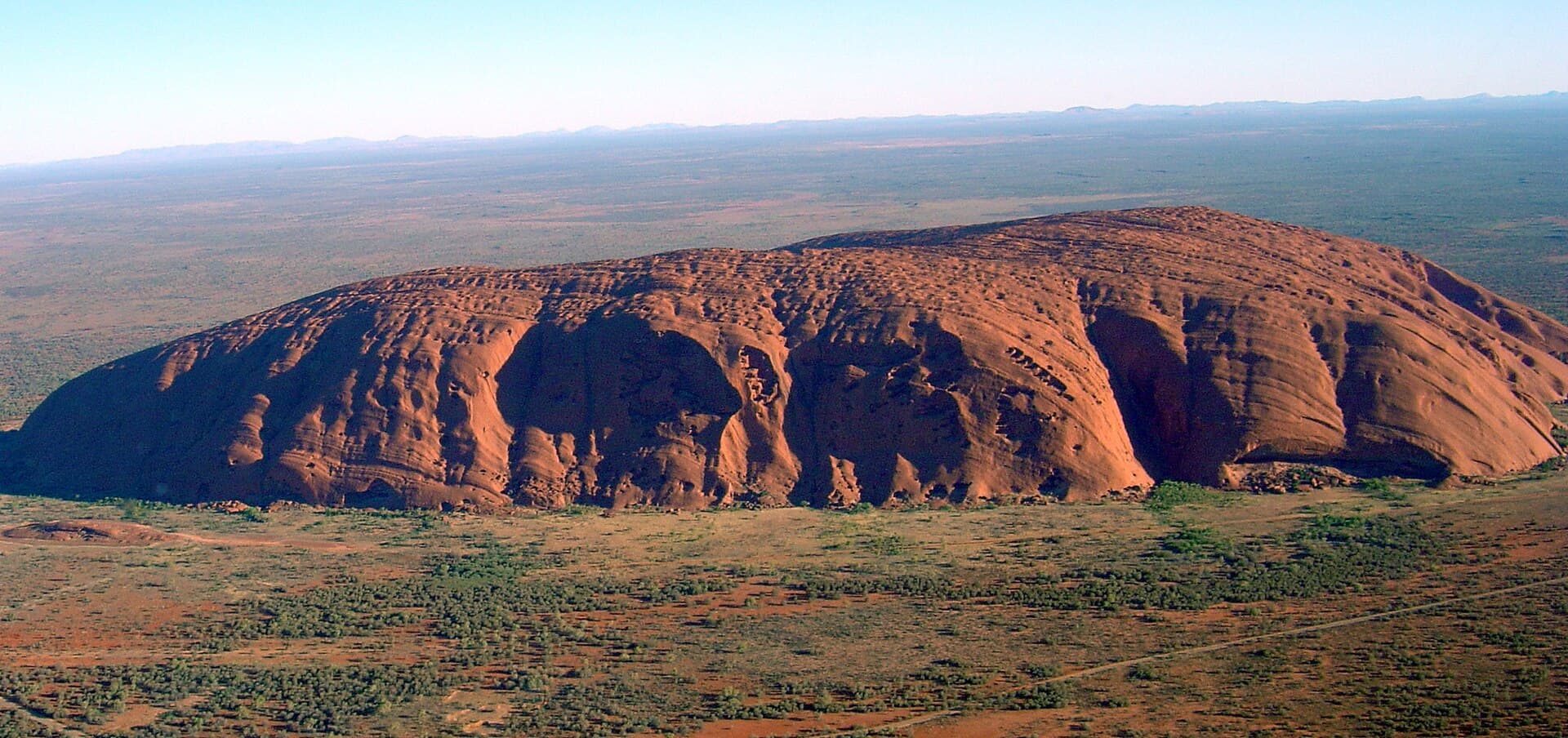
Outback
Uluru & the Red Centre
Three to four days around Uluru, Kata Tjuta and Kings Canyon — cooler months, closed climb, and why Alice and Yulara are different bases.
Learn more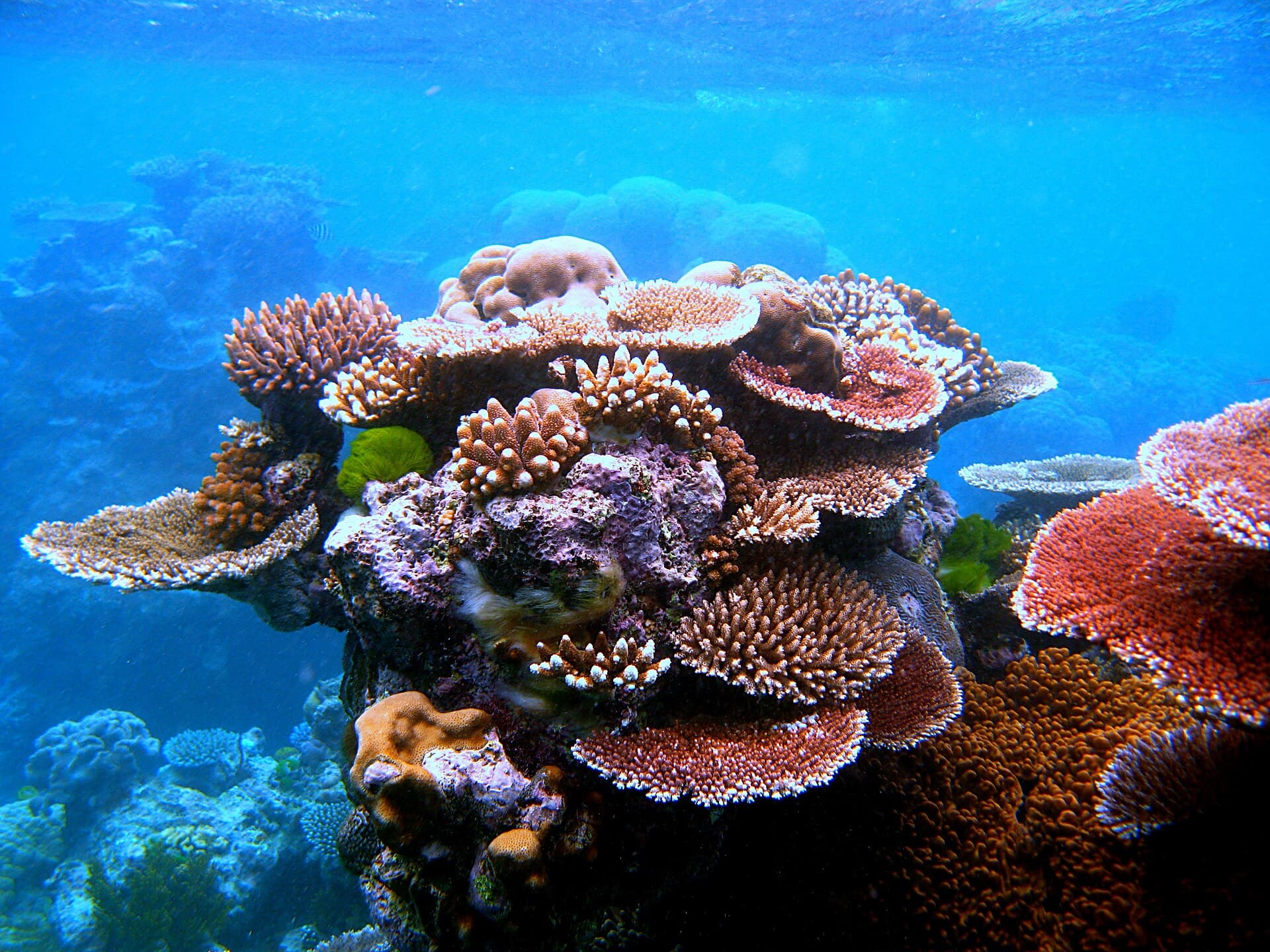
Tropical north
Great Barrier Reef
Cairns, Port Douglas and the Whitsundays as launchpads — stinger season, inner vs outer reef, and pairing the Daintree.
Learn more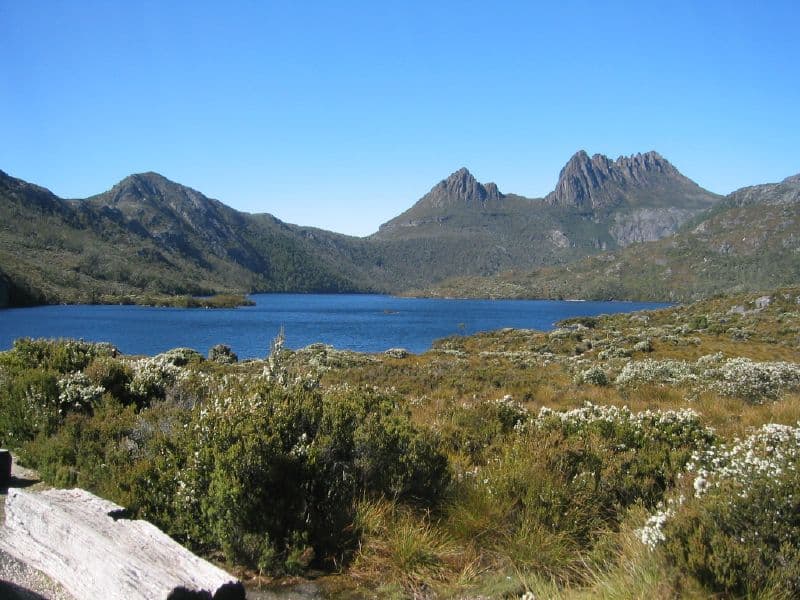
The island
Tasmania
Seven to ten days is the honest first loop: Hobart, Freycinet, Cradle Mountain, and a ferry or a flight from the mainland.
Learn moreCheck the road report, then the art site hours
Parks Australia and park visitor centres hold the current access list. We do not publish live closures.