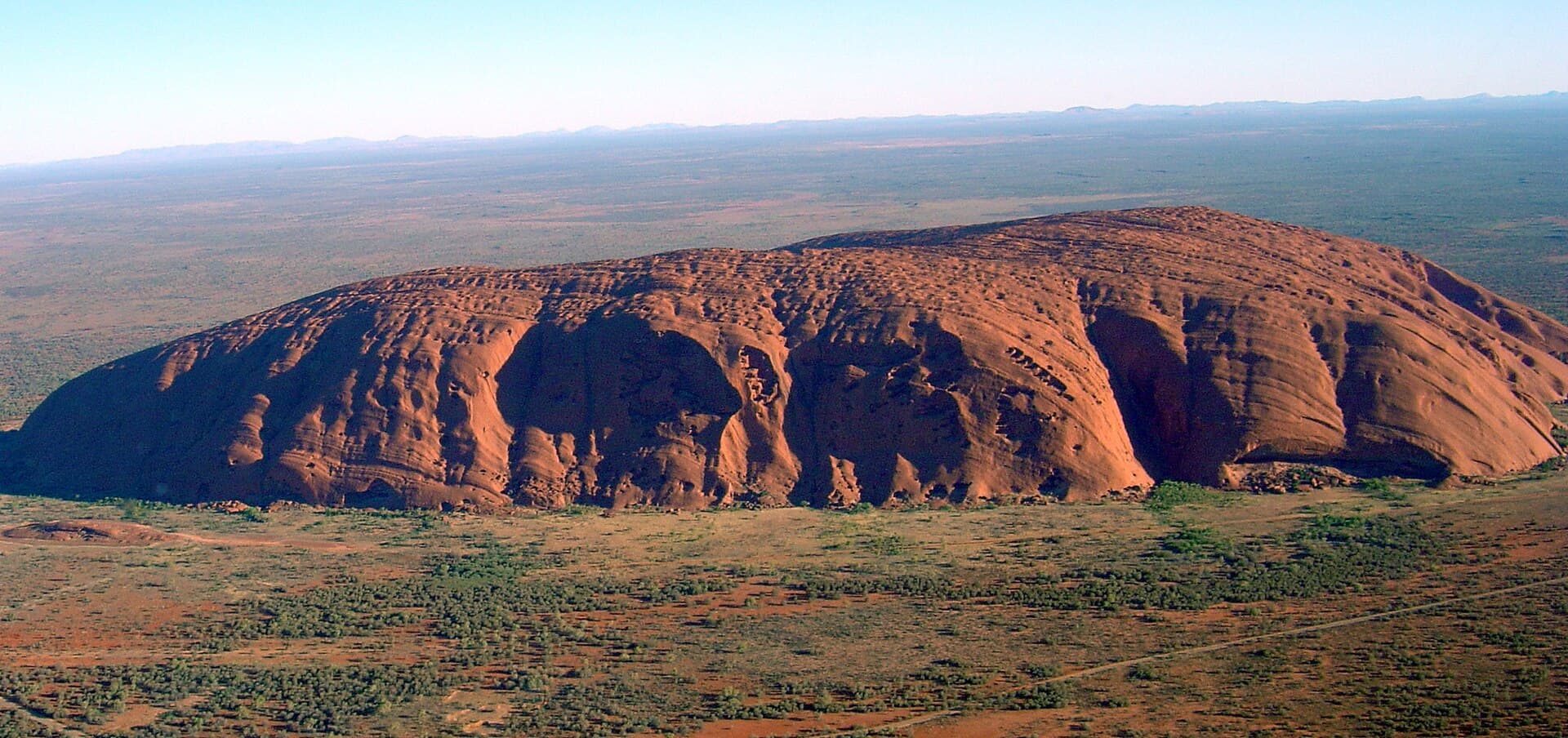
Northern Territory · Anangu country
Uluru is a three-day park, not a fly-in photograph
Base walks, Kata Tjuta, and an extra day for Kings Canyon. The climb closed in 2019. Heat, not hype, decides the month.
- Typical stay
- 3–4 days
- Climb closed
- 26 Oct 2019
- Uluru base walk
- ~10 km
- Alice to Uluru
- ~450 km
Plan three to four days for Uluru and the Red Centre: sunrise and sunset viewing, the Uluru base walk, Kata Tjuta’s Valley of the Winds or Walpa Gorge, and Kings Canyon if you can add a night. Fly into Connellan (Ayers Rock) or drive about 4.5 hours from Alice Springs. You do not need a 4WD for the sealed circuit. Uluru or the Reef first is a climate choice.
Definition
Red Centre. The desert uplands of Central Australia around Uluru–Kata Tjuta National Park, Kings Canyon (Watarrka), and Alice Springs — Anangu and other First Nations country, not an empty backdrop.
Uluru–Kata Tjuta National Park is jointly managed with Anangu traditional owners. Treat that as the first fact, not a footnote. The rock is a sacred site. Drones, climbing, and wandering off marked walking tracks are not a grey area. The climb closed permanently on 26 October 2019 at Anangu request. Anyone still circulating “should I climb” lists is writing about a different decade.
This page sits under the destinations hub. It is a desert-park visit on Anangu country, not a sunrise selfie bolted onto a Sydney week, and it is not a substitute for the Great Barrier Reef or for Kakadu — another Northern Territory climate with a different season and a different risk list.
How many days
Two days is the brochure: land, sunset, sunrise, a short walk, leave. It photographs well and feels like one long airport day with a red sandstone interval.
Three days is the minimum that feels like a visit. You can see Uluru at both ends of the light, walk a meaningful section of the base (or the full circuit if heat and fitness allow), spend time at the Cultural Centre, and give Kata Tjuta a cool morning or late afternoon instead of a drive-by.
Four days is when Kings Canyon (Watarrka National Park) stops being a rumour you missed. The rim walk is a morning of its own. It is a separate park and, for most people, a separate night.
A workable first shape:
| Day | Base | What earns the day |
|---|---|---|
| 1 | Yulara | Arrive Connellan or finish the Alice drive; sunset viewing; early night |
| 2 | Yulara | Sunrise, base walk or a shorter marked section, Cultural Centre |
| 3 | Yulara | Kata Tjuta — Valley of the Winds or Walpa Gorge — in cool hours |
| 4 (optional) | Kings Canyon | Rim walk at first light; do not bolt it onto a late Uluru breakfast |
Field of Light and similar installations are ticketed add-ons. Verify the current operator and season; this site does not publish live hours or fares. If you are building a whole week rather than a park fragment, use the seven-day outback itinerary — Alice as a start or finish, Yulara for the park days, a Kings Canyon night, and no fantasy of a remote desert track unless that is a licensed 4WD product.
International travellers who land in Sydney or Melbourne and “add Uluru” need a domestic flight and the days above. A dawn departure from a harbour hotel does not reach the Lasseter Highway.
Season
Prefer about April to September if you can choose. Days are walkable compared with midsummer. Nights are cold — sometimes near freezing in the desert winter — which surprises people who packed only for a red-rock postcard. Carry a layer for sunrise.
October to March is frequently extreme heat. Parks Australia may restrict or close walks. The base walk is roughly ten kilometres and exposed; shorter marked sections exist for a reason. Summer is not impossible, and plenty of residents live here year-round, but a first-timer itinerary that assumes a midday rim walk in January is a planning error.
The climb is closed in every month. Heat policy, water, and cultural-site rules still apply in the kind months.
If your Australian dates are fixed in January, read this page and then decide whether the Centre is the honest trip or whether a reef launchpad or a Tasmanian summer walk is the landscape that matches the calendar. If your dates are fixed in July, the Centre is often the kinder desert and the far north is in a common dry window — which is why “Uluru or the Reef first” is a climate question, not a ranking.
Do not pair this park with Kakadu as if they were one “Northern Territory week”. Kakadu’s classic first visit is a dry-season park (roughly May–October) with crocodiles and wet-season road closures. Uluru is desert uplands. You can fly between them when you have the days and the right months. You cannot treat them as the same weather.
Getting there
Two ordinary doors, plus tours that use those doors.
Fly to Ayers Rock Airport (Connellan). The airstrip sits beside Yulara, the resort village outside the national park. Transfers are short. This is the efficient arrival if the park is the point and Alice Springs is not.
Fly to Alice Springs and drive or join a transfer. The sealed Lasseter Highway covers about 450 kilometres, commonly described as around 4.5 hours in ordinary conditions. Fuel, water, daylight, and a sound vehicle matter. This is not a casual suburban hop. A town day in Alice after a long-haul flight beats a dusk desert drive you are too tired to respect.
Tours from Alice or Yulara range from day coaches to small-group camping. This site does not rank them and does not invent prices. Ask whether the parks pass is included, whether “sunrise” is actually sunrise or a lookout after the light, and what happens when heat closes a walk.
You do not need a 4WD for the sealed circuit linking Yulara, the Uluru and Kata Tjuta access roads, and the usual Kings Canyon route on the Luritja Road. Leaving the bitumen is a different trip: permits, experience, and a vehicle that matches the track. A hire-car brochure is not a permit.
From the east-coast cities, this is a flight, not a day tour. The Sydney launchpad and the east-coast fortnight keep Uluru off the same ticket unless you have a third week. From Perth it is still a long domestic hop; do not bolt it onto a Coral Coast drive and call the map small.
What a first visit looks like
A first visit that works is slower than the postcard sequence.
You arrive, you drink water, you watch the rock change colour from a signed viewing area, and you go to bed early because the useful hours are the edges of the day. In the morning you walk around Uluru, not up it. The full base walk is about ten kilometres. Sections can be done as shorter out-and-backs if heat, fitness, or a cultural closure says so. The Cultural Centre is not a wet-weather filler; it is the place that explains why the climb closed and why some photographs are not yours to take.
Kata Tjuta (the Olgas) is a second massif, not a bonus lookout on the way to the airport. Valley of the Winds is the longer, more committing walk when it is open; Walpa Gorge is the shorter alternative. Both want cool hours. Both want the same water-and-hat discipline as the base walk.
Kings Canyon is the day people add when they stop treating the Red Centre as a single rock. The rim walk is a circuit with steep early steps and exposed edges. It is not a casual add-on after a late breakfast at Yulara. Stay a night near Watarrka if you can.
Alice Springs is a town with its own museum, ranges, and Arrernte country — useful as a start, a finish, or a rest day, not as a third “must” if flights or heat say no. The sealed icon circuit does not require you to collect every lookout west of the Stuart Highway.
Guided versus self-drive is a comfort and logistics choice on this bitumen, not a 4WD exam. Read self-drive if you are deciding whether someone else should sequence the dawns. Luxury lodges and camping trips use the same park rules; they do not buy a climb or a drone exception.
Practical park notes
A parks pass is required for Uluru–Kata Tjuta National Park. Buy it from official Parks Australia channels, not from a screenshot of last year’s price. This site does not publish live fees.
Carry water on every walk. Summer closures and heat restrictions are normal. Hats, covered shoulders, and an early start are not over-caution; they are how the park is walked.
Photography rules at sacred sites are signed. Follow them. The climb closure is a cultural decision with a date, not a temporary weather notice. Drones are not a workaround.
Mobile coverage is limited once you leave Yulara and Alice. Tell someone your plan on the Alice–Uluru drive. Carry physical water, not only a bottle you mean to refill at a shut roadhouse.
Watarrka (Kings Canyon) is a separate Northern Territory park with its own access notes. Confirm walking conditions and any seasonal advice with the managing agency before you lock a rim-walk morning against a same-day flight.
Field of Light and other ticketed evening installations sit outside the “just walk the rock” story. They can be worthwhile and they can sell out. Verify the operator for your dates.
Respect joint management. Anangu country is not an empty backdrop for a fitness challenge. Ranger-guided walks and talks, when offered, are the useful upgrade — check the park visitor centre for what is running the week you are there.
What to skip
Skip climbing. It is closed. Skip the midday full-base attempt in January. Skip stacking Kata Tjuta, the entire base walk, and a Kings Canyon transfer into one heroic daylight. Skip a 4WD upgrade “for the look” if you will stay on sealed roads. Skip treating a wildlife park on the Sydney fringe as rehearsal for this landscape — they are different products.
Skip adding Kakadu as a two-night afterthought on the same domestic ticket unless the months match and you are willing to subtract Yulara time. Skip adding the Reef in a ten-day trip. They do not substitute: one is a desert park with sharp temperature swings; the other is a tropical marine park with boats, a typical November–May stinger window in the far north, and cyclone awareness in the wet.
Skip operator “best in the Centre” copy. Ask about inclusions, heat policies, and whether the itinerary still functions when a walk is closed.
Skip flying in after an overnight international and walking at noon the same day. The rock will still be there at sunrise tomorrow.
Related regions and itineraries
This page is one node on the destinations hub. The usual comparison is the other first-timer climate: Great Barrier Reef — about 2,300 kilometres of marine park, launchpads at Cairns, Port Douglas, and the Whitsundays, not a desert dawn.
The other Northern Territory chapter is Kakadu and the Top End: jointly managed with Bininj/Mungguy, three to five days in the dry season, crocodiles, roads that close in the wet. Different country. Different month.
If the week is the Red Centre, open the 7-day outback itinerary. If you are still assembling a first Australian fortnight on the populated seaboard, keep this park off the east-coast two-week ticket unless a third week appears.
For how we use “destination” on this site — stay length, climate window, decision, not a logo wall — return to destinations.
Uluru or Great Barrier Reef first?
| Compare | Uluru & Red Centre | Great Barrier Reef |
|---|---|---|
| Typical first stay | 3–4 days | 3–7 days including rainforest or islands |
| Kinder window | About April–September | Often June–October in the far north |
| Access | Flight to Yulara or drive from Alice | Cairns, Port Douglas, or Whitsundays |
| Physical note | Heat, dust, and long walks at dawn | Boats, snorkel fitness, stinger suits in season |
| Pairing | Kings Canyon, Alice, Field of Light (verify) | Daintree, Whitehaven, island nights |
Questions
What travellers always ask
Three days covers Uluru and Kata Tjuta without rushing sunrise. Four days is the comfortable version if you add Kings Canyon. Two days is a fly-in fly-out and feels like one.
Sibling regions
Other hubs that share a first-timer shortlist
Every destination child links up to the hub and across to nearby climates. Do not add all three this fortnight.
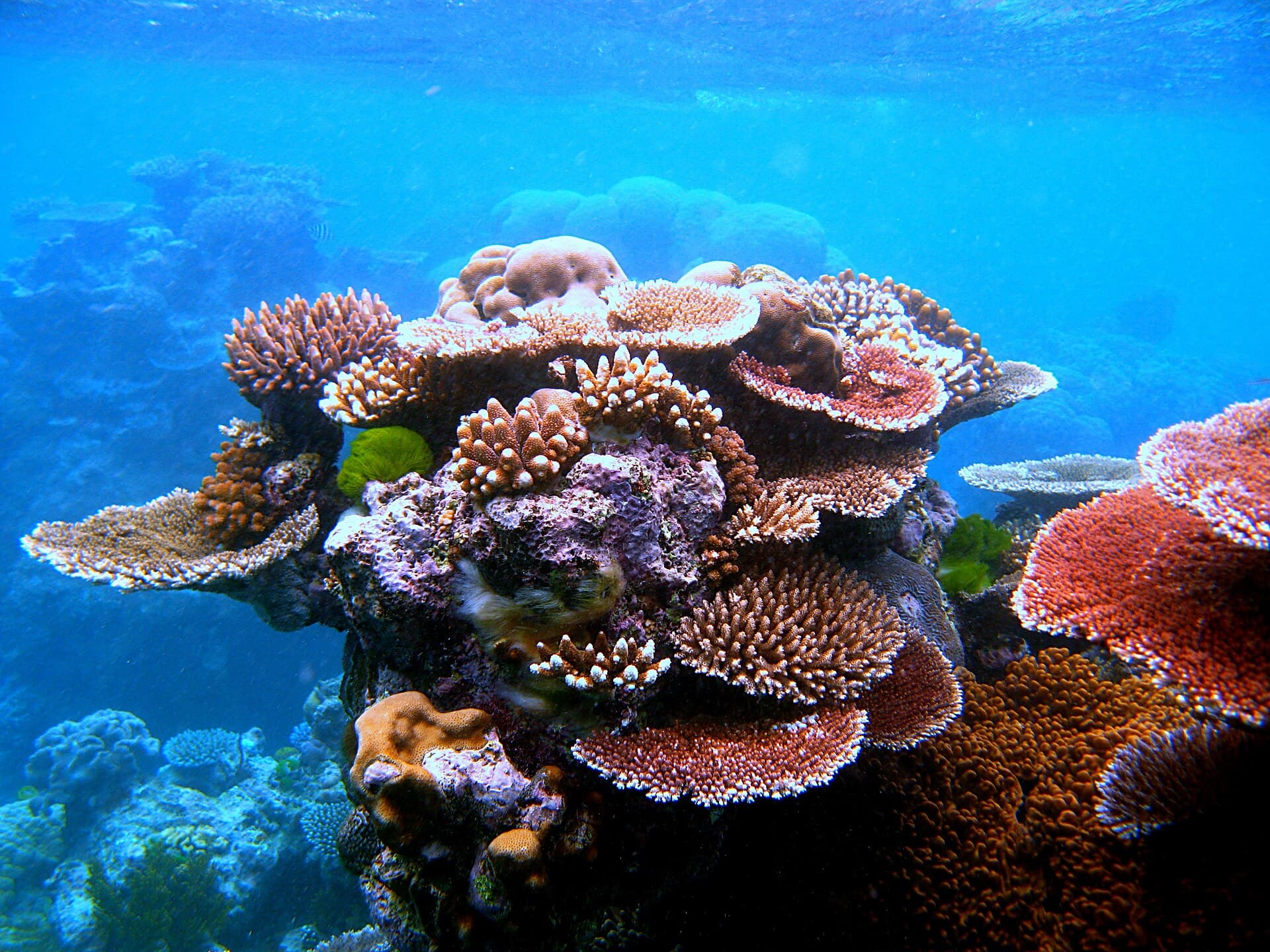
Tropical north
Great Barrier Reef
Cairns, Port Douglas and the Whitsundays as launchpads — stinger season, inner vs outer reef, and pairing the Daintree.
Learn more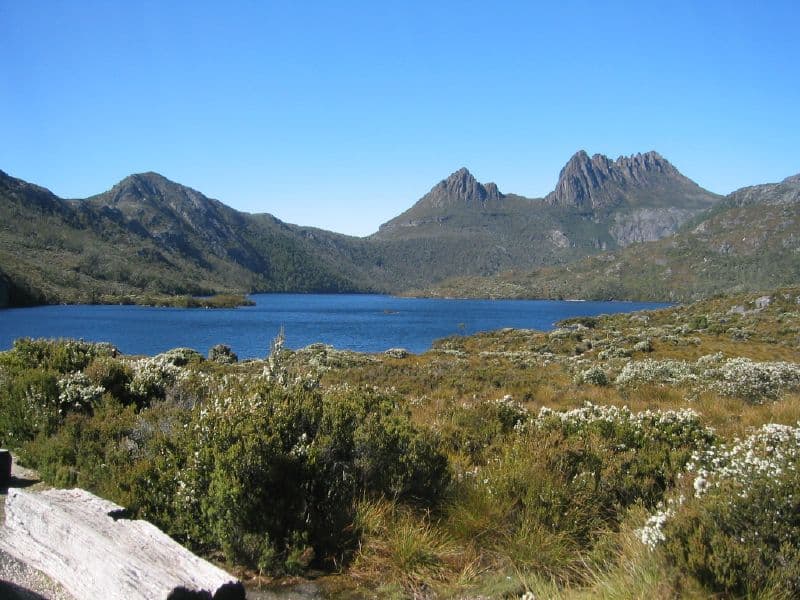
The island
Tasmania
Seven to ten days is the honest first loop: Hobart, Freycinet, Cradle Mountain, and a ferry or a flight from the mainland.
Learn more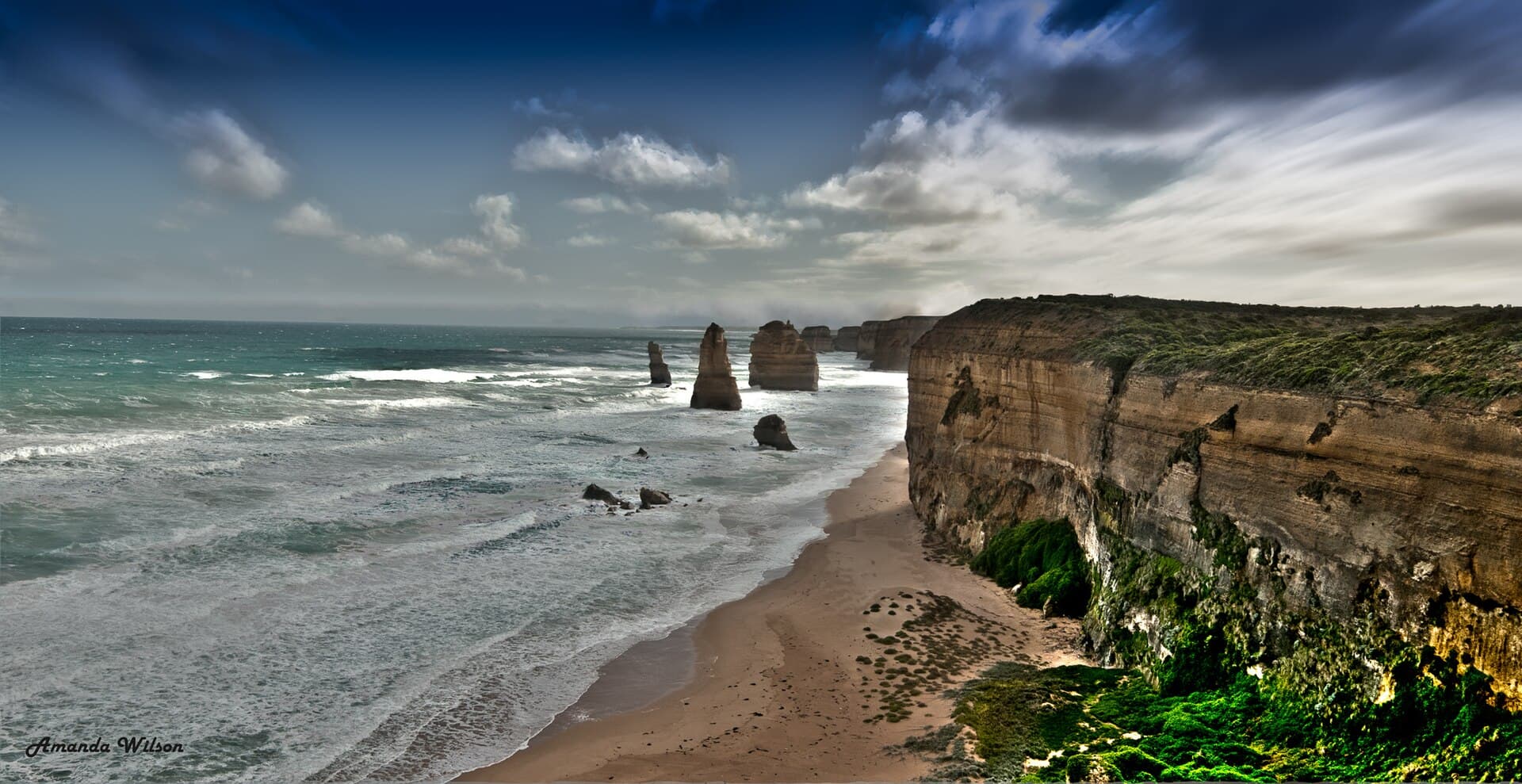
Victoria
Great Ocean Road
A long Melbourne day trip can reach the Twelve Apostles. An overnight in Apollo Bay or Port Campbell is the trip people mean.
Learn moreSketch the outback week
If Uluru is the trip, open the seven-day outback itinerary. If you are still choosing climates, compare the Reef page next.