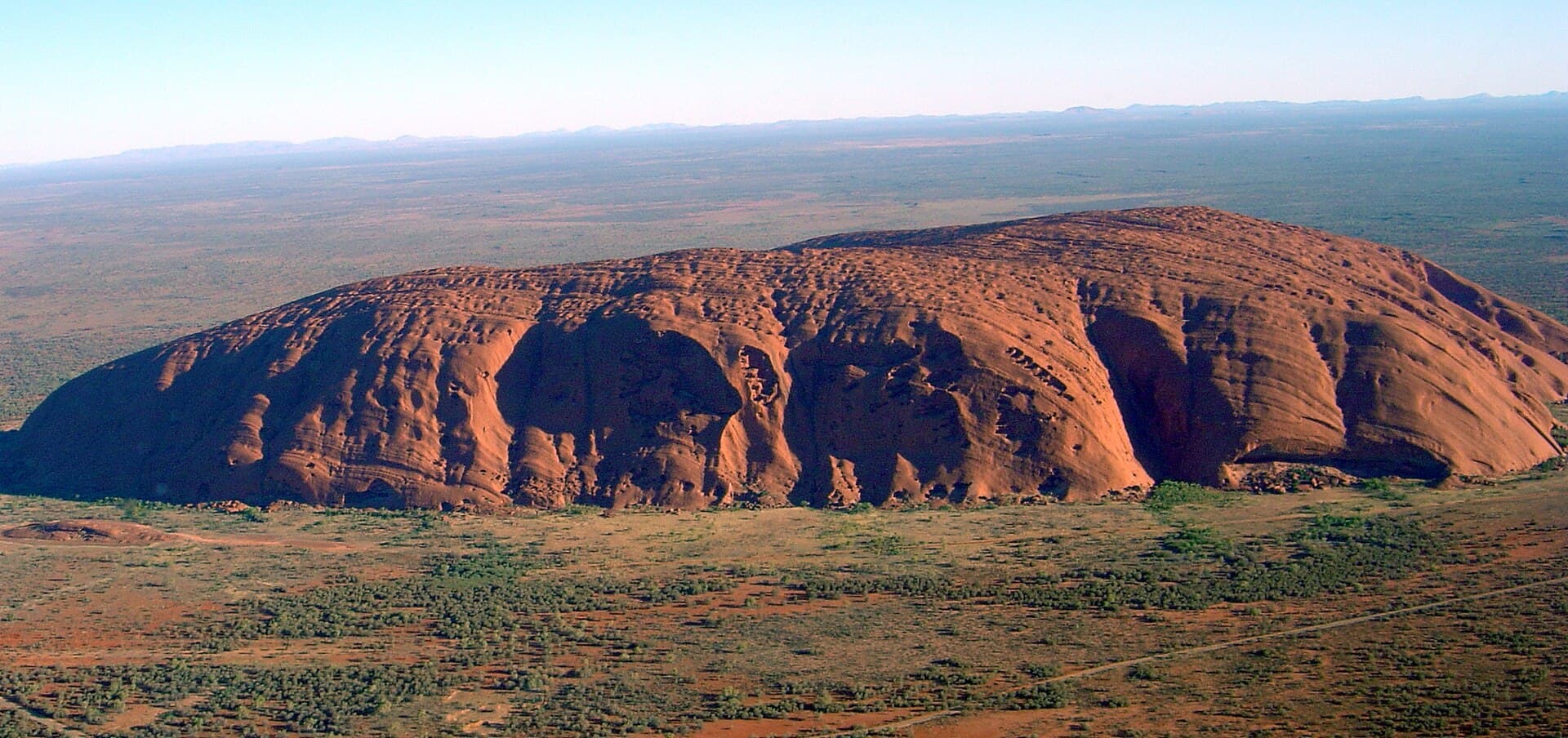
Destinations hub
What are the best Australia tour destinations?
A first-timer shortlist organised by climate and trip length — not a ranking, and not every postcard in one fortnight.
- Region guides
- 9
- Typical first loops
- 3–14 days
- Coverage
- 6 states + NT
- Editorial rule
- No rankings
For most first trips, the destinations that earn their flights are Uluru and the Red Centre, the Great Barrier Reef and Tropical North Queensland, Tasmania, the Great Ocean Road from Melbourne, and Sydney with the Blue Mountains. Add Perth and the Coral Coast, Kakadu, or Kangaroo Island when you have extra days or a matching season.
Definition
Destination hub. A region with a typical stay length, a climate window, and a decision people actually search — not a gallery of operator logos.
Australia is not a single touring product. It is a set of climates that punish anyone who treats the map like a city-break checklist. Distances that look modest on a wall poster become half-day transfers. A fortnight that tries to collect Uluru, the Reef, and Tasmania usually collects airports instead. This hub is the matrix: how long each region needs, which season is kinder, which airport actually serves it, and which child page to read before you lock a domestic fare.
The pages under this hub are planning essays, not a booking engine. Uluru and the Red Centre, the Great Barrier Reef, Tasmania, the Great Ocean Road, Sydney and the Blue Mountains, Melbourne, Perth and the Coral Coast, Kakadu and the Top End, and Kangaroo Island each have a typical stay, a climate window, and a decision people actually search. None of them is “number one”. Official access, closures, and fees live with Parks Australia, state parks services, and the marine-park manager you are standing in — not with a slogan.
How many days
Trip length is the first honest filter. A week belongs to one climate: Yulara and Kings Canyon; Cairns or the Whitsundays; Hobart plus one park, not two; or Melbourne plus an Ocean Road overnight. A fortnight can hold an east-coast loop — Sydney, a highland day, a hop north, a reef launchpad — if you fly the boring kilometres. A third week is when a Red Centre flight stops stealing the coast, or when Tasmania can be a whole island instead of a long weekend from Melbourne.
Typical first stays, as this site uses them:
| Region | Honest first stay | What a shorter raid costs you |
|---|---|---|
| Uluru & Red Centre | 3–4 days at Yulara, plus Kings Canyon if you can | Sunrise without a base walk; no Watarrka |
| Great Barrier Reef | 3–7 days at one harbour | A single boat and no rainforest or island day |
| Tasmania | 7–10 days | Hobart only; Freycinet and Cradle stay rumours |
| Great Ocean Road | Long day or 1–2 nights | Twelve Apostles as a toilet-break photograph |
| Sydney & Blue Mountains | 3–4 city days including one highland day | Harbour plus Katoomba plus Hunter in one daylight |
| Melbourne | 2–4 city days, plus a separate coast | Laneways, peninsula, and cliffs as “quick looks” |
| Perth & Coral Coast | A weekend in the city, or days of driving north | Ningaloo treated as a Perth sunset extra |
| Kakadu & Top End | 3–5 dry-season days from Darwin | Litchfield only, or a wet-season closed road |
| Kangaroo Island | 1–2 nights | A ferry clock instead of dusk wildlife |
If you only have ten days on the ground after jet lag, pick one interior or one tropical harbour, plus one city. Do not add a third climate because a brochure called it “nearby”. Alice Springs to Uluru is about 450 kilometres on sealed road. Perth to Exmouth is a multi-day drive. Hobart to Cradle Mountain is a highland transfer, not a suburb.
Sample shapes that already exist as editorial skeletons: seven days in the Red Centre, two weeks on the east coast, and ten days in Tasmania. Use those after the region is chosen, not as a way to smuggle a second island into a city break.
Season
Australia does not have one touring season. It has several, and they disagree with each other.
Cooler months, about April to September, are the kinder window for Uluru. Nights are cold. Midsummer heat is the limiter, and Parks Australia may restrict walks when the temperature says so. The climb has been closed since 26 October 2019 regardless of month.
June to October is the period many travellers in Tropical North Queensland treat as the drier, clearer window for the Great Barrier Reef. Stinger season along much of the far-northern coast is typically November to May — stinger suits are normal, not a personality test. The wet can still offer boat days between systems; it also cancels them. Build a buffer.
December to April is the walking and long-light season in Tasmania. Winter is quieter, colder, and harder on highland roads. That peak is the opposite of the Top End dry.
May to October, roughly, is when Kakadu is most open. Wet-season flooding closes roads. Do not pair a Tassie alpine week with a Kakadu wetland week and call it one climate.
The Great Ocean Road and the Blue Mountains run year-round with different costs: winter swell and short afternoons on the Shipwreck Coast; mist, wind, and a layer in the mountains even in January. Bushfire season can close forests and, in bad years, roads — check Parks Victoria and NSW National Parks for the week you travel, and VicRoads for the Ocean Road itself.
Ningaloo and Shark Bay have their own marine-park calendar, including seasonal whale-shark operations that you verify with the licensed operator, not with a recycled blog. Cyclone awareness belongs to the northern wet. Kangaroo Island is visitable in more months than Kakadu’s back roads, but fire recovery and park closures still move — Parks SA holds the current list.
If your dates are fixed in January, the Centre is frequently extreme heat and the far north is wet-season weather. If your dates are fixed in July, the Centre is walkable by day and cold at night, the far-north reef is in a common dry window, and Tasmania is in its winter. Choose the landscape that matches the month. Do not invent a national “best time to visit Australia”.
Getting there
International tickets usually land in Sydney, Melbourne, Brisbane, Perth, or sometimes Cairns. That arrival city is a launchpad, not a promise that the continent is small. Use domestic flights between hubs. Use self-drive or day tours inside a region. The failure mode is driving Sydney to Cairns “because the coast is pretty” in the days you meant for a reef boat, or treating Alice Springs as a suburb of the harbour.
- Red Centre: Fly to Connellan (Ayers Rock) beside Yulara, or to Alice Springs and drive the sealed Lasseter Highway (~450 km, often quoted around 4.5 hours in ordinary conditions). Read Uluru.
- Reef: Fly to Cairns, or to Proserpine / Hamilton Island for the Whitsundays. Port Douglas is a road transfer from Cairns, not a second international airport. Read the Reef and the Cairns launchpad.
- Tasmania: Fly into Hobart or Launceston, or bring a vehicle on Spirit of Tasmania from Geelong. The operator holds sailings and fares. Read Tasmania.
- Great Ocean Road: Start from Melbourne. The signed road runs about 243 kilometres from Torquay toward Allansford. A day coach is a long clock; overnight is the version people describe. Read the Ocean Road and from Melbourne.
- Blue Mountains: About two hours from Sydney by road or rail to the upper mountains towns. Read Sydney & Blue Mountains and from Sydney.
- West coast: Perth is the city. The Coral Coast is days of driving, or a flight into Exmouth if Ningaloo is the point. Read Perth & Coral Coast and from Perth.
- Top End: Darwin is the door. Kakadu is a park, not a city precinct. Read Kakadu.
- Kangaroo Island: Ferry from Cape Jervis after a drive from Adelaide, or a small aircraft. Read Kangaroo Island.
Hire-car insurance, left-side driving, wildlife at dusk, and fuel gaps are planning facts on the long sealed roads. A 4WD is not a personality. It is a requirement on some tracks in some months and a waste of money on the Uluru–Kings Canyon bitumen. Confirm road reports with the relevant state or territory authority; do not treat a brochure as a permit.
What a first visit looks like
A first Australia trip that people still like afterwards usually has one primary landscape and one city that is allowed to be a city.
The common first-timer set is: harbour time in Sydney plus a Blue Mountains day that does not also include the Hunter Valley; or laneways in Melbourne plus the Great Ocean Road as a long day or a night in Apollo Bay or Port Campbell; plus, if the calendar is a fortnight, a flight to a reef harbour. The east-coast two-week sketch is that shape written as days.
The other first-timer shape is the desert: fly the long-haul into Alice or Yulara, walk around Uluru (the climb is closed), give Kata Tjuta its own cool hours, and add Kings Canyon if you have a fourth day. That is the seven-day outback sketch, not a sunrise selfie bolted onto a Sydney week.
Tasmania looks small and plays large. Hobart, Freycinet, and Cradle Mountain are the triangle. Seven days is tight. Ten days is the comfortable first loop. Walking season is roughly December to April. That is a different ticket from a Melbourne long weekend, and it is the opposite seasonal peak from Kakadu.
When you have more days or a matching winter window, the west and the Top End stop being “later”. Ningaloo is not the Great Barrier Reef. Shark Bay is World Heritage country with its own rules. Kakadu is jointly managed with Bininj/Mungguy Traditional Owners; crocodiles are not a metaphor; wet-season road closures are not a rumour. Kangaroo Island is a South Australian overnight more often than a rushed day from Adelaide.
What a first visit does not look like: three climates, two islands, and a wine region because they all appeared on the same souvenir tea towel.
Practical park notes
Almost every destination on this hub sits inside or beside a park, a marine park, or a jointly managed cultural landscape. Buy passes from official channels. Read the sign on the gate.
- Commonwealth parks including Uluru–Kata Tjuta and Kakadu: start with Parks Australia. Passes, heat policies, cultural closures, and crocodile safety are published there and at visitor centres — not as live data on this site.
- Great Barrier Reef Marine Park: zoning decides where you can snorkel, fish, or anchor. Tour boats operate under permits. The Great Barrier Reef Marine Park Authority (GBRMPA) is the manager to verify, not a five-star badge on a pontoon.
- Victoria: lookouts and many Ocean Road reserves sit with Parks Victoria. Road status sits with VicRoads. Cliff edges fail; stay on platforms.
- New South Wales: Blue Mountains walking tracks, closures, and fire updates sit with NSW National Parks.
- South Australia: Kangaroo Island parks, including Flinders Chase after fire years, sit with Parks SA.
- Tasmania: a parks pass is part of the first loop. Shuttle rules at Cradle Mountain in peak periods are operational facts you confirm on the ground. Spirit of Tasmania is a ferry company, not a parks service — check the operator for berths.
This site does not publish live hours, fares, or road closures. Tourism slogans are not permits. Photography rules at sacred sites are signed. Follow them. Swim only where signed in crocodile country. Wear the stinger suit when the operator issues it. Carry water on desert walks. The Uluru base walk is roughly ten kilometres and exposed.
For the self-drive versus guided decision inside a region, read self-drive. For city-side day products, start at day tours and the launchpads: Sydney, Melbourne, Cairns, Brisbane, Perth.
What to skip
Skip the fantasy of “seeing Australia” in ten days. Skip stacking the Hunter Valley onto a Blue Mountains day. Skip treating Ningaloo as a spare afternoon from an east-coast hotel. Skip a January Red Centre itinerary that assumes midday rim walks. Skip a wet-season Kakadu self-drive copied from a dry-season blog. Skip climbing Uluru — the climb closed permanently on 26 October 2019 at the request of Anangu traditional owners. Skip operator “number one” lists; licences and marine-park levies matter more than a trophy adjective.
Skip pairing Tasmania and Kakadu in the same week because a map made them look like two cool-weather ideas. They peak in opposite halves of the year. Skip adding Kangaroo Island to a Melbourne–Tasmania hop unless Adelaide has its own nights. Skip driving the whole Coral Coast because a day-tour page in Perth mentioned the Pinnacles — Cervantes is not Exmouth.
A useful skip is also one extra harbour. One reef launchpad is a trip. Cairns, Port Douglas, and Airlie Beach in the same six nights is a transfer diary.
Related regions and itineraries
Use this hub as the index, then open one child and one sample loop.
First-timer climates: Uluru & the Red Centre, Great Barrier Reef, Tasmania, Great Ocean Road, Sydney & Blue Mountains.
When the days or the season match: Melbourne, Perth & Coral Coast, Kakadu & Top End, Kangaroo Island.
Editorial skeletons, not departures: itineraries hub, east coast, two weeks, outback, seven days, Tasmania, ten days.
Match season before Instagram. Match days before you add a third climate. Then book the scarce day first — a Spirit vehicle berth, a reef boat in the school holidays, an Uluru sunrise departure — and verify it with the operator. We do not sell the seat.
First-timer destination matrix
| Compare | Typical stay | Kinder months (verify) |
|---|---|---|
| Uluru & Red Centre | 3–4 days at Yulara / Alice | About April–September (heat is the limiter) |
| Great Barrier Reef | 3–7 days Cairns, Port Douglas, or Whitsundays | Often June–October dry/clearer; stingers Nov–May far north |
| Tasmania | 7–10 days for a first loop | December–April for walks; winter quieter and colder |
| Great Ocean Road | Long day or 1–2 nights from Melbourne | Year-round; winter swell and shorter light |
| Kakadu & Top End | 3–5 days from Darwin | Dry season roughly May–October |
Questions
What travellers always ask
Uluru, the Reef, Tasmania, the Great Ocean Road, and Sydney–Blue Mountains are the usual first-timer set. “Best” is the region that matches your days and season — not a national ranking.
All region guides
Nine hubs, each with a season and a trip length
Every child page answers days, climate, and the decision people actually type. Start here, then open siblings — not a third climate.
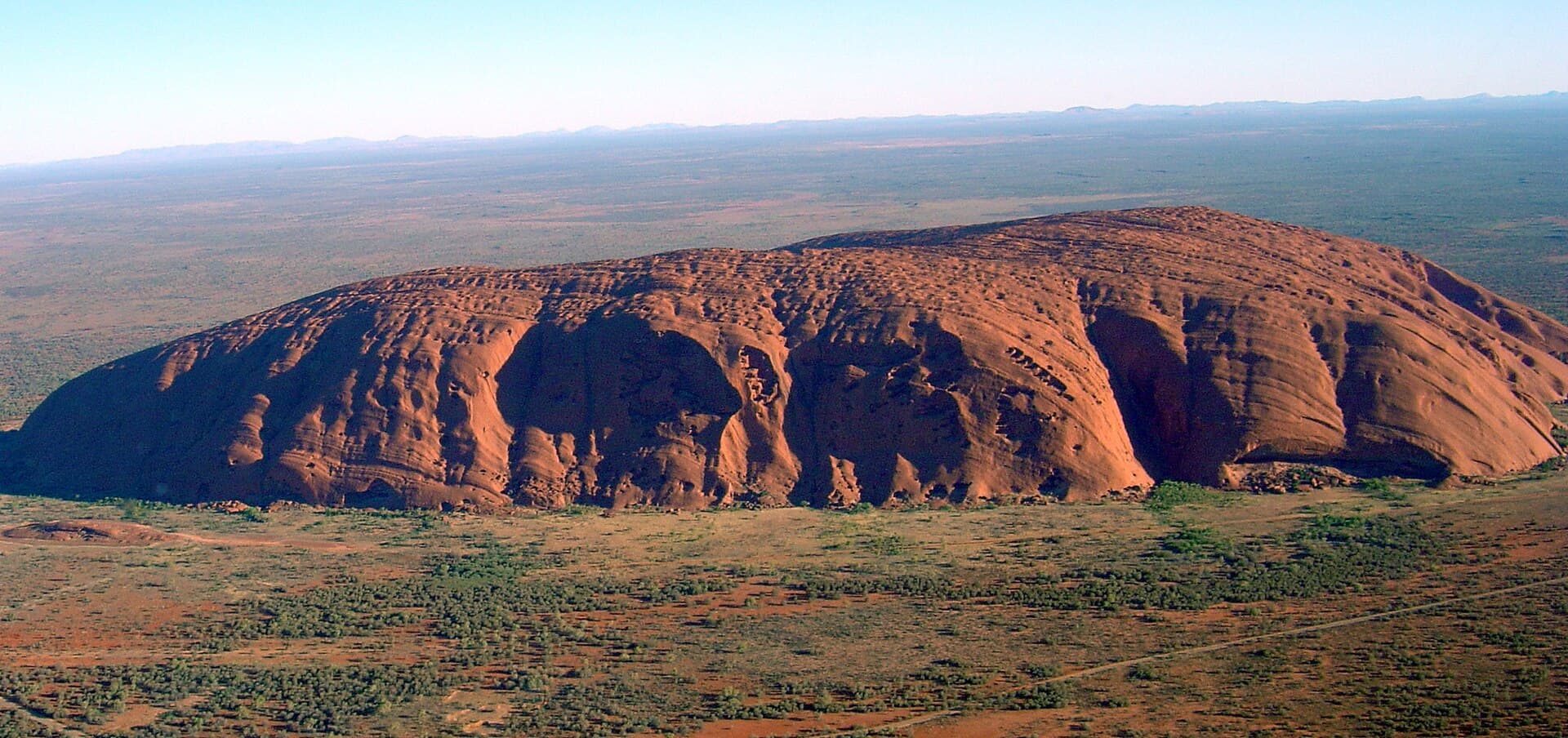
Outback
Uluru & the Red Centre
Three to four days around Uluru, Kata Tjuta and Kings Canyon — cooler months, closed climb, and why Alice and Yulara are different bases.
Learn more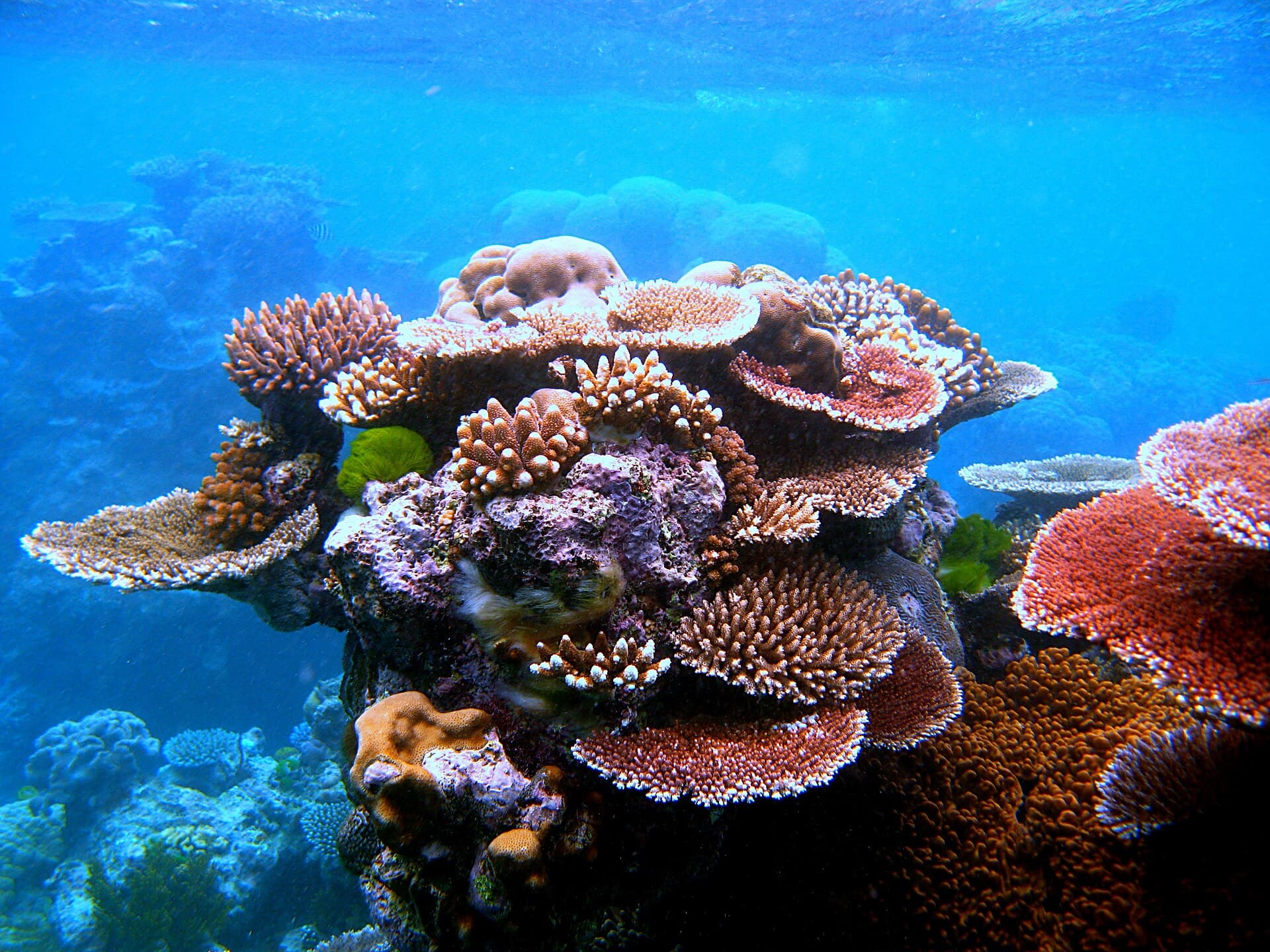
Tropical north
Great Barrier Reef
Cairns, Port Douglas and the Whitsundays as launchpads — stinger season, inner vs outer reef, and pairing the Daintree.
Learn more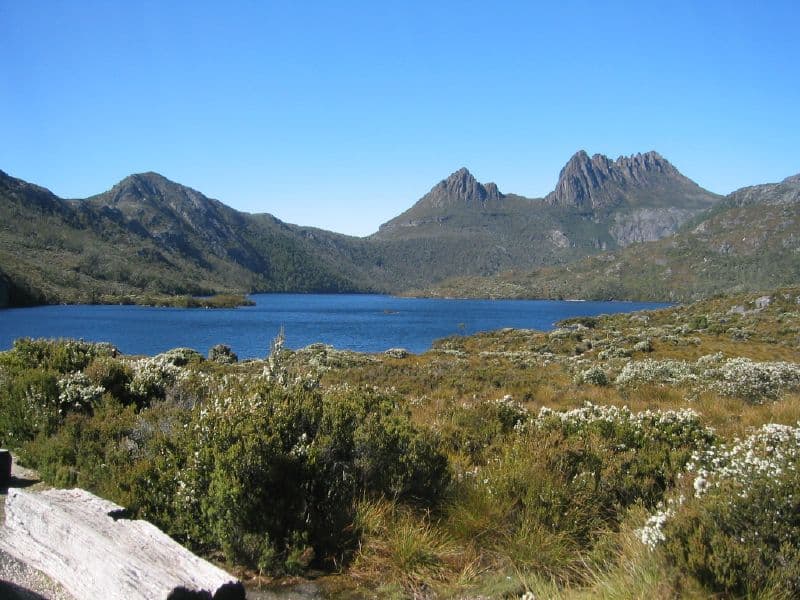
The island
Tasmania
Seven to ten days is the honest first loop: Hobart, Freycinet, Cradle Mountain, and a ferry or a flight from the mainland.
Learn more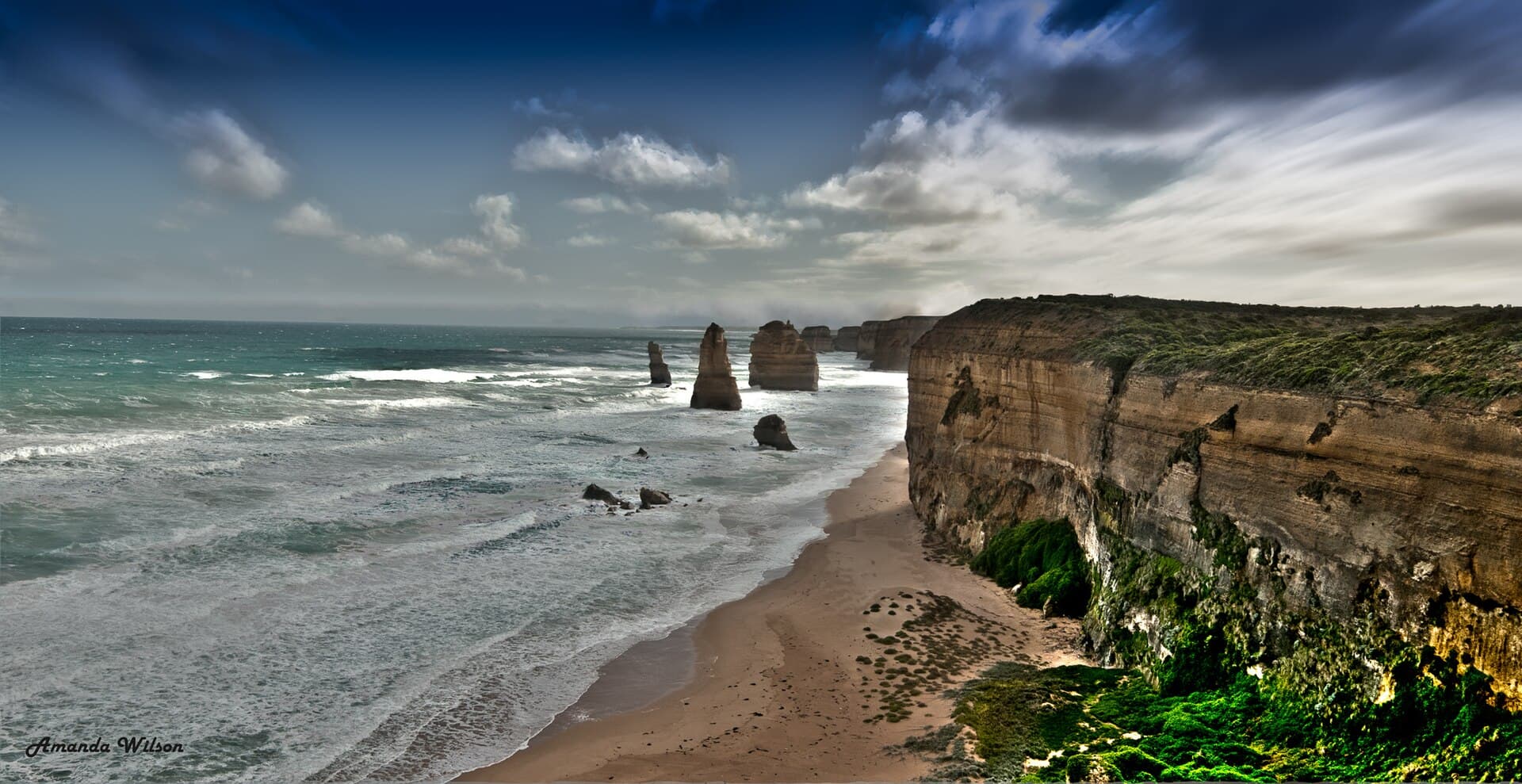
Victoria
Great Ocean Road
A long Melbourne day trip can reach the Twelve Apostles. An overnight in Apollo Bay or Port Campbell is the trip people mean.
Learn more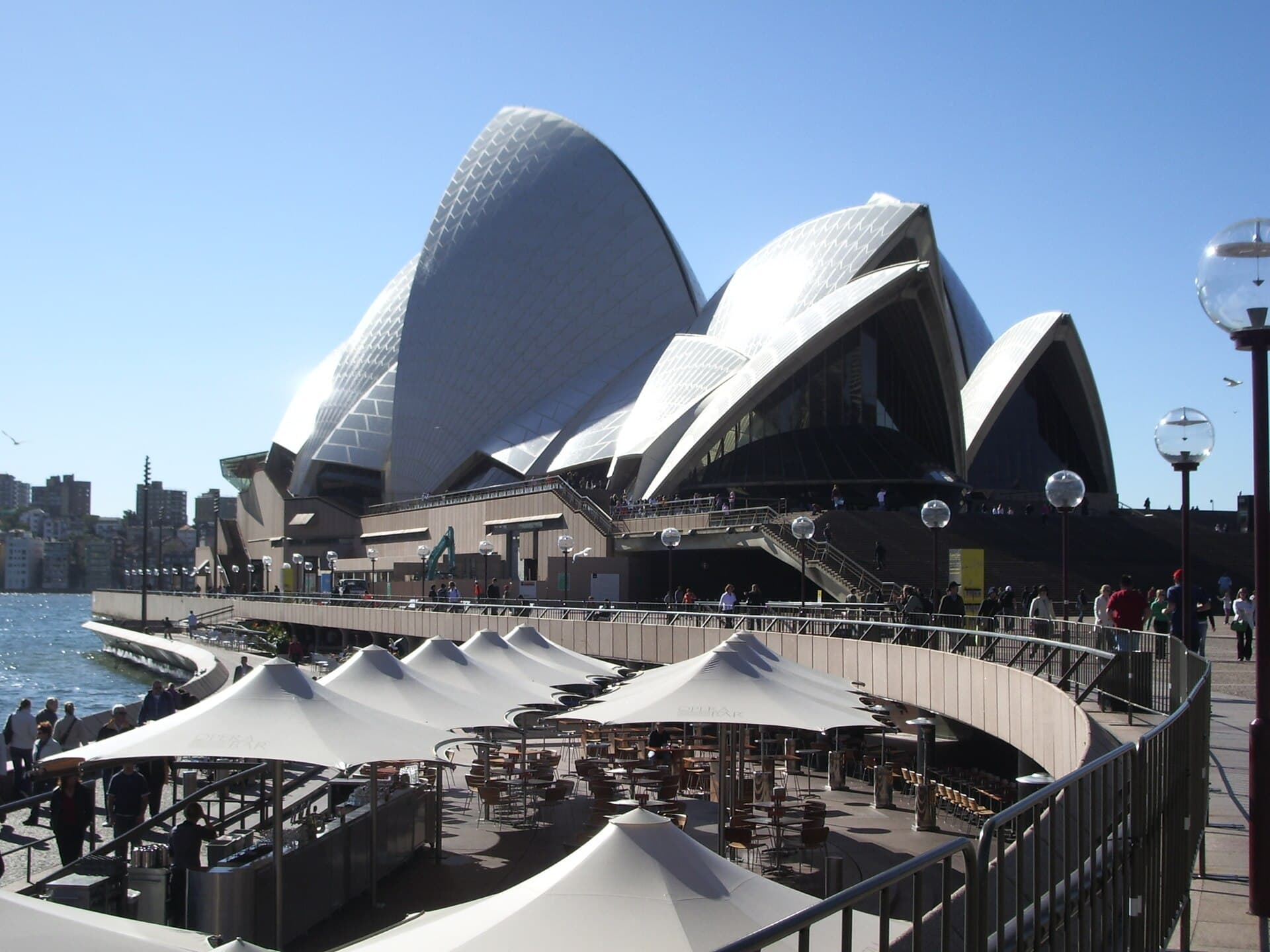
New South Wales
Sydney & Blue Mountains
Harbour icons plus a highland day: Three Sisters, Jamison Valley, and why you leave before the commuter peak.
Learn more
Western Australia
Perth & Coral Coast
Ningaloo, Shark Bay and a long west-coast drive — self-drive is common; tours fill the gaps between fuel and tides.
Learn more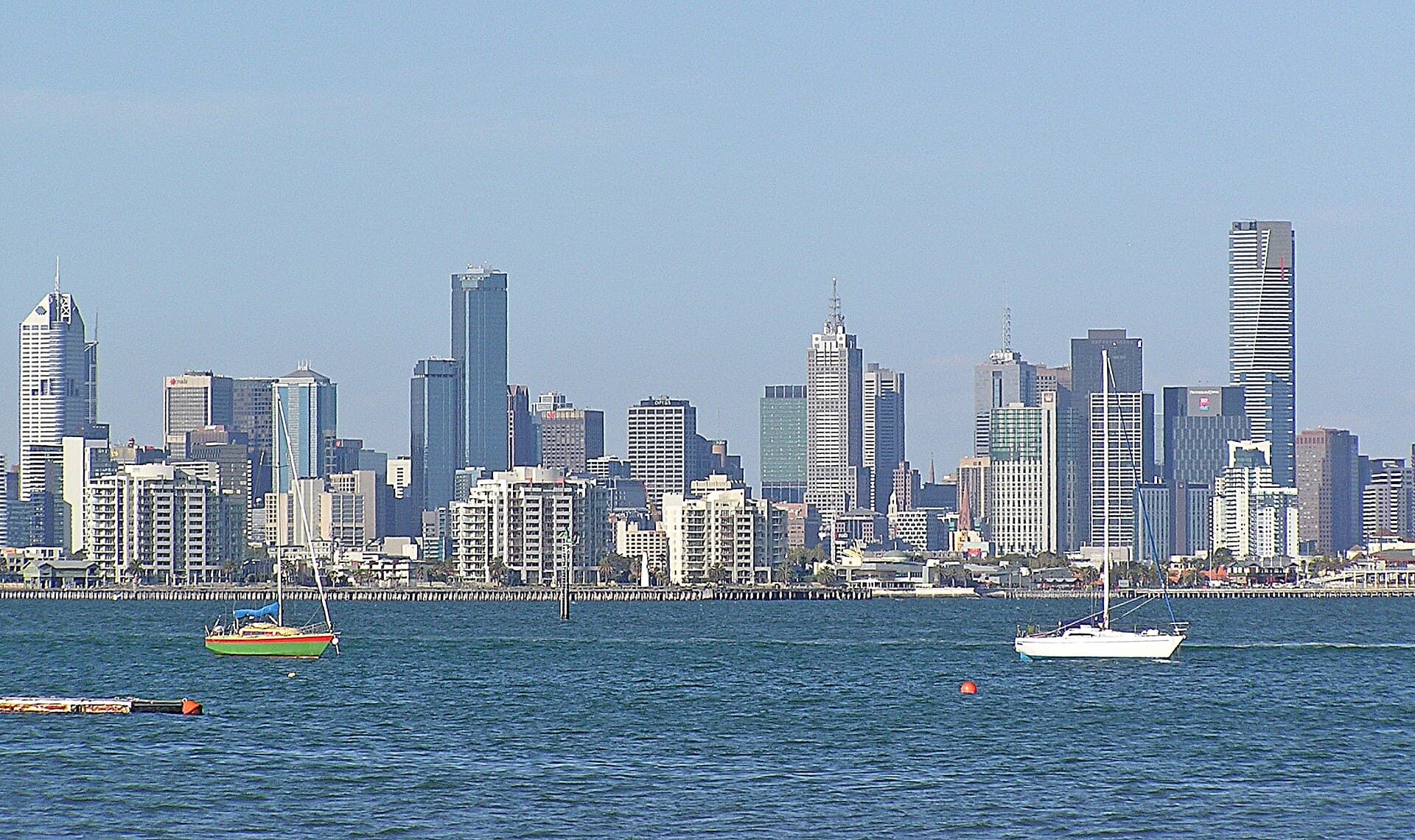
Victoria
Melbourne & Victoria
Laneways and a peninsula day in town; the Great Ocean Road as the long coast; Tasmania only if it has its own week.
Learn more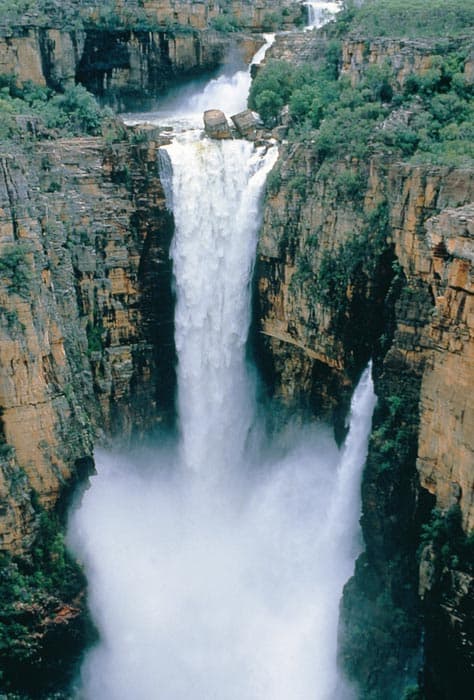
Top End
Kakadu & the Top End
Three to five dry-season days from Darwin — wetlands, rock art, crocodiles, and roads that close in the wet.
Learn more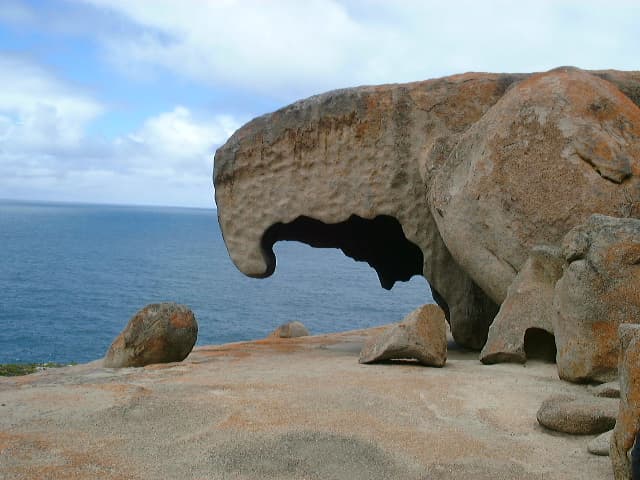
South Australia
Kangaroo Island
A South Australian overnight more often than a rushed Adelaide day: ferry from Cape Jervis, parks, wildlife.
Learn morePick a climate, then a week
Read the region that matches your dates. Then open a sample itinerary. We do not sell tours and we do not invent live prices.